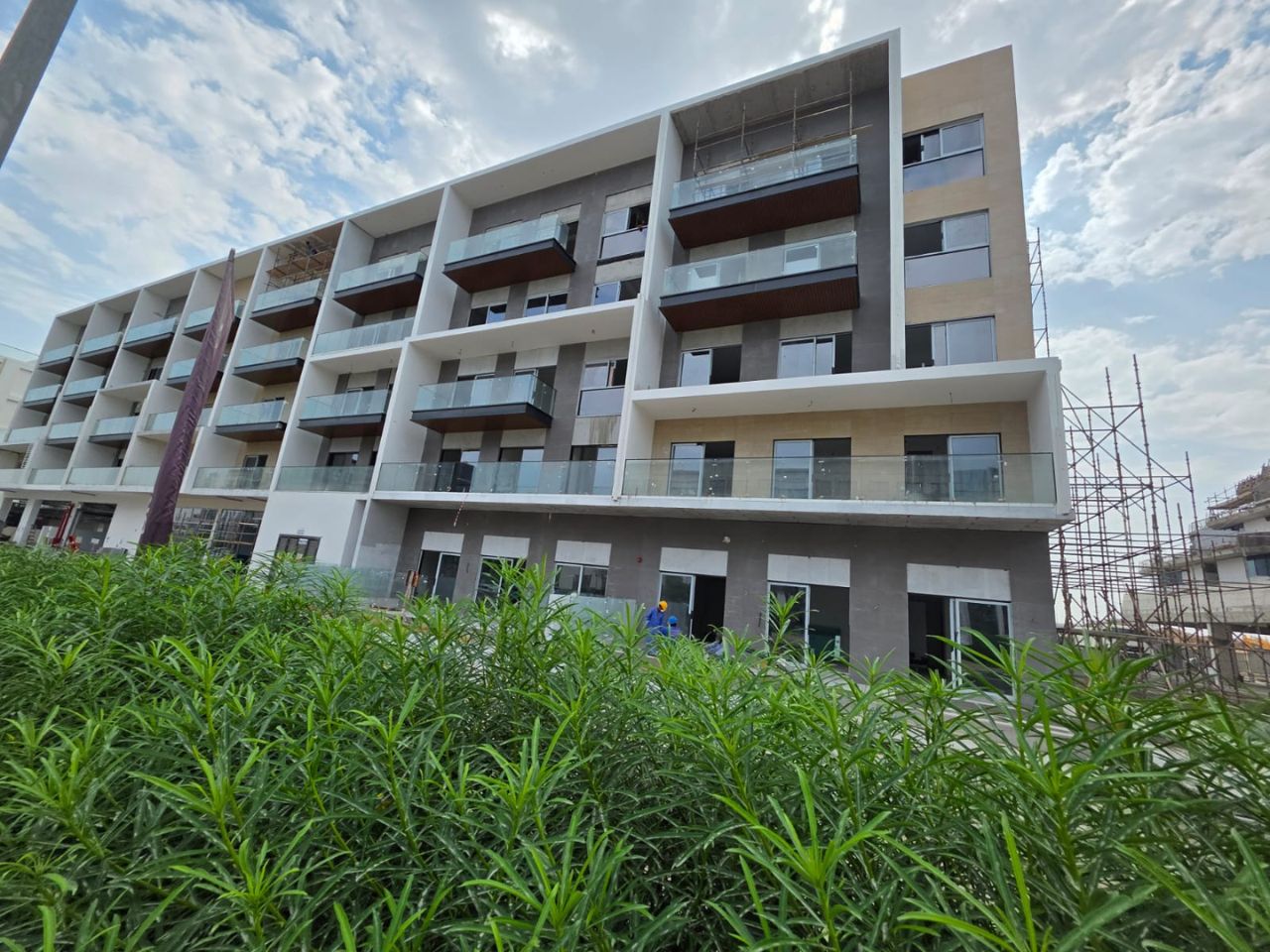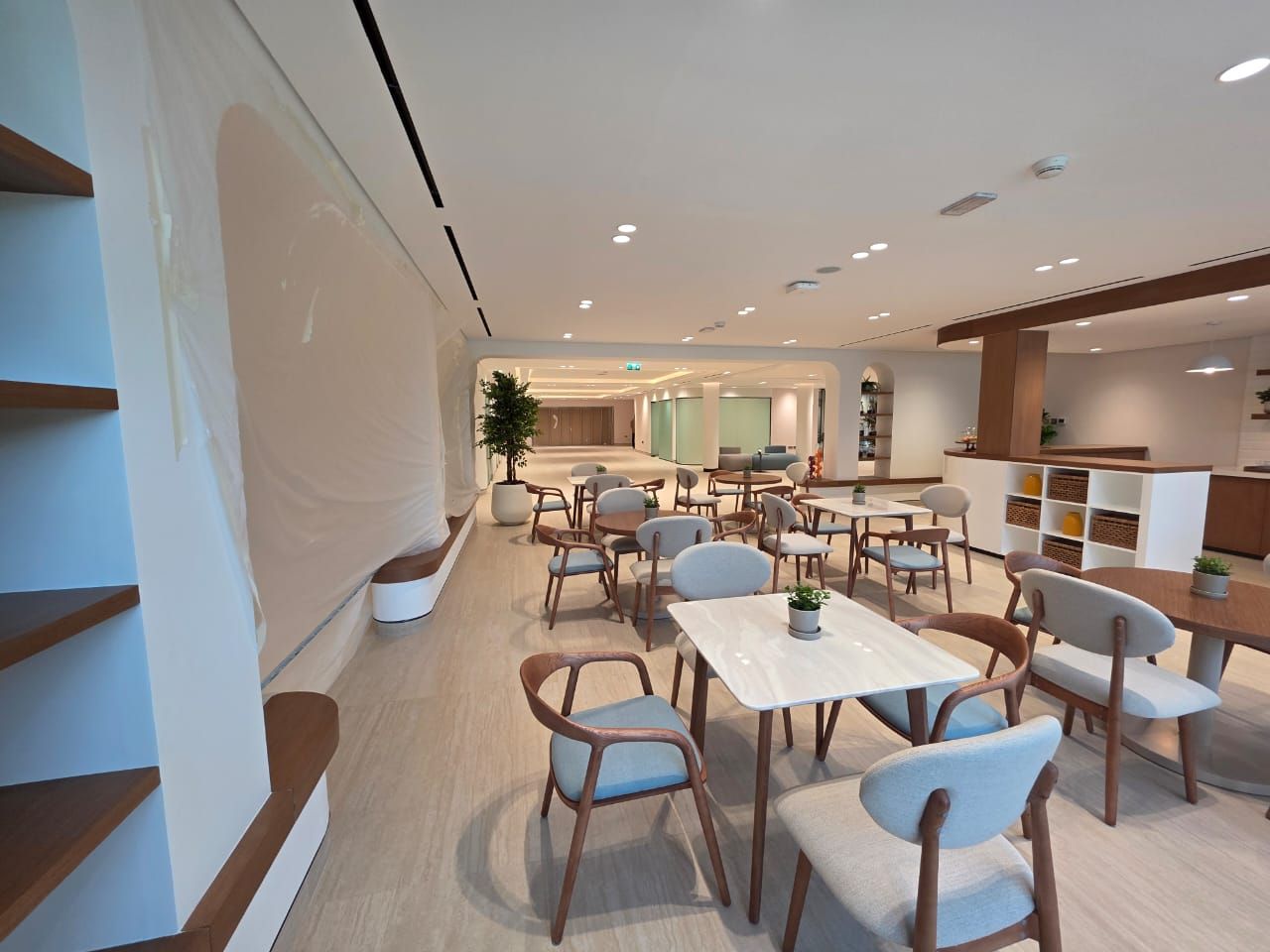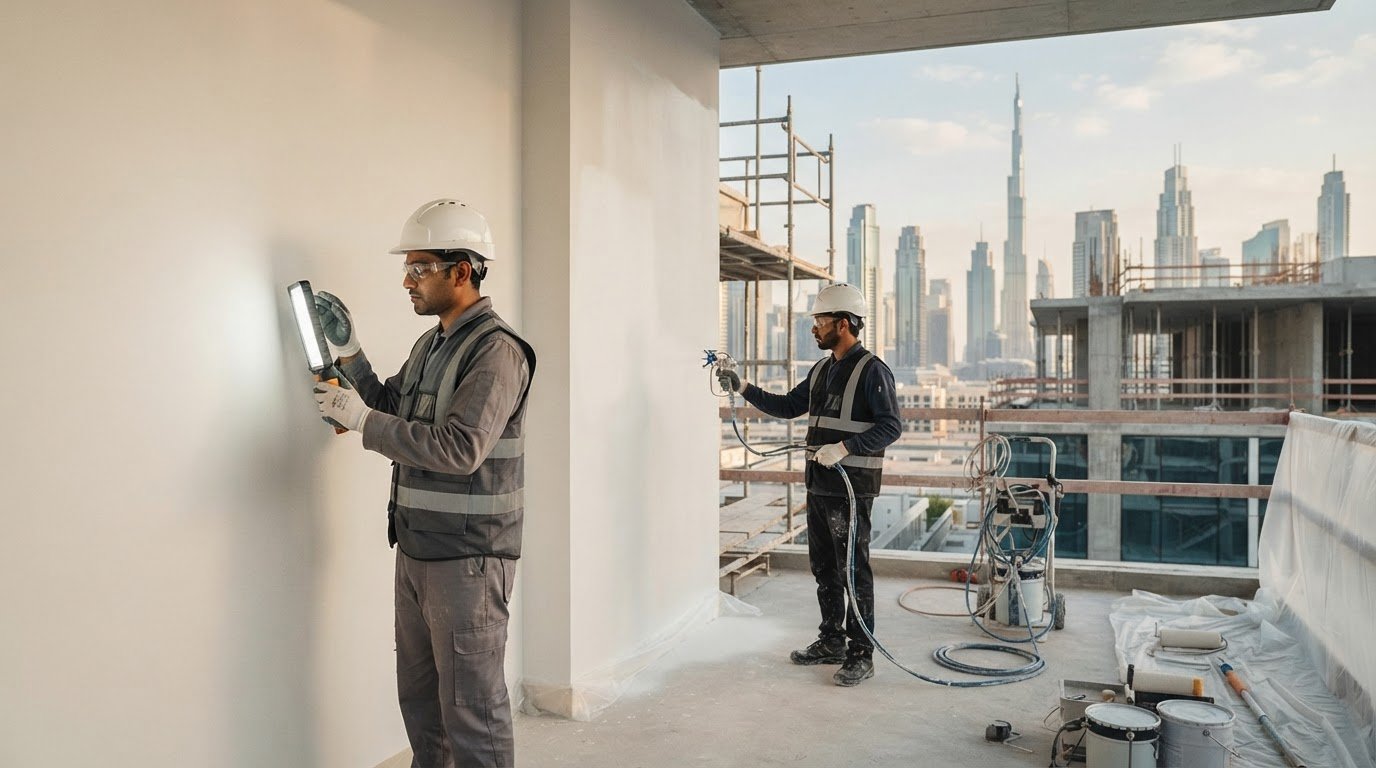
What if the finish you approve at handover is determined long before the first coat? In a Dubai new-build, unclear boundaries between the main contractor and finishing trades can leave gaps in surface preparation, application and touch-ups. Planning painting services for new construction projects Dubai developers are delivering means treating painting as a coordinated construction package, not a final coat added at the end.
That coordination matters. Inconsistent preparation can affect the appearance and performance of a finish, while late painting can disrupt inspections, trade sequencing and handover. A measurable scope gives the project team a clearer basis for planning the work and assessing its completion.
This guide explains how to define surface and finish requirements, assess execution capability and quality controls, and schedule painting around the wider construction programme. It also covers where project-specific protective and anti-corrosive systems fit into the scope. With more than 30 years of experience across UAE projects, NovoTech approaches painting as part of an integrated build process, supporting a more orderly route from specification to handover.
Key Takeaways
- Define the painting scope by area, substrate, finish and package boundaries to reduce gaps between trades.
- Match surface preparation, primer and finish coats to the substrate and project requirements as one coordinated system.
- Compare painting services for new construction projects Dubai on scope, materials, sequencing, quality checks and handover, not headline figures alone.
- Build surface-readiness checks, work-area coordination and inspections into the construction programme to support a controlled handover.
- NovoTech’s UAE project experience, protective painting systems and status as an authorized Terraco applicator support coordinated new-build work.
Painting Services for New Construction in Dubai: Define the Scope Before Award
For a project buyer, the priorities are clear: consistent finishes across the building, work that fits the construction programme, and defined responsibility where trades meet. Those outcomes start with a scope that describes the work before it is awarded. A package that simply says “paint all areas” leaves room for different interpretations and gaps around ceilings, service spaces, exposed elements or repairs after other trades finish.
A complete new-build painting scope defines every included area and substrate, the specified preparation and paint system, the required finish, trade interfaces, inspection points and handover records.
Keep new-build painting distinct from repainting and maintenance. A new-construction package is planned around drawings, the condition and readiness of newly installed surfaces, the specified finish system and the sequence of other trades. Repainting or maintenance usually addresses existing finishes and local repairs. Combining these requirements in one unclear description makes responsibilities, quantities and acceptance criteria harder to manage.
What should a new-build painting scope include?
Use the latest drawings and finish schedules to list each area and surface, then state what the package includes. For example, separate internal walls and ceilings from external elevations, and identify substrates such as plaster, gypsum partitions, metalwork or concrete. For each surface, document the required appearance and cite the project specification or approved sample. Avoid relying on broad terms such as “premium finish” without a reference that the project team can assess.
Set out work stages and trade boundaries. Clarify who makes good surface defects, confirms readiness, protects completed work and addresses damage caused after painting. Record interfaces with plastering, joinery, flooring and other finishing trades, including how access and work-area release will be coordinated. The scope should also identify preparation, primer and finish coats as parts of the specified system. Primer (paint) helps explain the purpose of this preparatory layer; project documents should determine the system for each substrate.
How Dubai project conditions shape planning
Scope and sequencing should reflect the building type, site programme and access arrangements. Interior rooms may be released in phases as ceilings, joinery and flooring progress. Exterior elevations may need separate access planning and coordination with other façade activities. Identify these areas separately in the package so their preparation, work sequence and inspection requirements are easy to track.
For exterior elevations, define surfaces and package boundaries clearly, then coordinate access with the wider site plan. The Dubai exterior building painting guide provides more detail on planning this part of the scope.
- Areas: List the rooms, shared spaces, service areas and elevations included.
- Surfaces: Identify each substrate and project-defined preparation requirement.
- Finish: Reference the relevant documents, approved samples and acceptance expectations.
- Interfaces: Set out readiness, protection, access and responsibilities between trades.
- Close-out: Define inspection stages, agreed touch-ups and handover documentation.
These details give the project team a consistent basis for comparing painting services for new construction projects Dubai and coordinating the package with the main contractor. A clear scope cannot prevent every site change, but it makes original responsibilities and finish requirements easier to manage when conditions evolve.
Match Paint Systems to Substrates, Finishes and Project Requirements
Select a coating system for the surface it must protect and the finish the project requires. Substrate type and condition, exposure and intended use all influence preparation and coating choices. A system specified for an interior gypsum partition may not suit exterior concrete or metalwork. Use the project specification and approved documents to guide selection rather than assuming one product or system fits every surface.
Consistent finishes depend on preparing each substrate correctly and applying compatible coating layers as one specified system.
For painting services for new construction projects Dubai, connect each area and surface to its preparation requirements, primer and finish coats in the specification. These are coordinated stages, not interchangeable options. Primer supports the coating system on a prepared surface, while finish coats provide the specified appearance and performance. Document the required products, application details and acceptance criteria for each relevant area.
Assess substrates before specifying coatings
Before application, assess whether surfaces are clean, sound and ready for the specified work. Concrete and plaster may need different preparation from gypsum, while metal surfaces require attention to their condition and exposure. Assess moisture, unevenness, loose material and other visible defects before coating. Coordinate responsibility for any corrective work among the consultant and relevant trades.
A readiness review helps prevent the painting package from being used to mask defects that belong to an earlier construction stage. Record surface concerns, agree on corrective work and confirm readiness before the painting sequence proceeds.
Align finish performance with intended use
Finish requirements should reflect how each area will be used and the exposure its surfaces will face. Interior spaces may prioritize the specified appearance. Exposed exterior surfaces or metal elements may require protective or anti-corrosive systems when called for in the project documents. NovoTech’s UAE anti-corrosive paint guide offers further context on metal protection.
Use the project specification, finish schedule and approved samples together. If they conflict, resolve the discrepancy through the project’s review process before application. That gives the site team a clear reference for materials, surface readiness and the expected result, while reducing the risk of unapproved substitutions or assumptions.
- Concrete and plaster: Assess surface soundness, cleanliness and defects before applying the specified system.
- Gypsum: Coordinate joint and surface readiness with the partition or ceiling trade, then follow the documented finish requirements.
- Metal: Identify exposure and required protective or anti-corrosive performance in the project documents.
- All substrates: Record preparation, primer and finish-coat requirements as a connected system.
As an authorized Terraco applicator, NovoTech applies Terraco systems specified for projects. For coordinated painting and protective coating requirements, explore NovoTech’s painting services as part of your project planning.
Compare Dubai New-Build Painting Contractors on More Than Their Proposals
A proposal is useful when it makes the work, interfaces and quality expectations clear enough to compare. Headline figures alone do not show whether preparation is included, how access is planned or what happens when an inspection identifies defects. Give each submission the same project documents and comparison criteria. Before assessing overall value, note differences in inclusions, exclusions and assumptions.
A comparable painting proposal clearly defines scope, preparation, materials, sequencing, quality checks and handover.
What to compare in each painting proposal
Check that each proposal covers the same areas, surfaces and finish requirements. Look for the specified preparation stages and coating layers, along with clear boundaries for access, work-area release and coordination with other trades. The proposal should also explain how inspections, snagging and corrective work are handled, and which records are provided at close-out.
| Comparison area | What a clear proposal should explain |
|---|---|
| Scope | Included areas and surfaces, package boundaries, exclusions and assumptions. |
| Preparation | Surface-readiness expectations and preparation work allocated to the painting package. |
| Materials | Specified coating system, including preparation layers, primer and finish coats. |
| Sequencing | Planned work areas, access needs and interfaces with site management and adjacent trades. |
| Quality checks | Inspection stages, finish acceptance references and how defects are recorded and corrected. |
| Handover | Close-out steps, outstanding snags and documentation included at completion. |
Use the table to identify differences as well as omissions. One proposal, for example, may include surface preparation while another assumes a preceding trade will complete it. Unless that distinction is explicit, the submissions are not directly comparable. Keep a written record of clarifications and revisions so the awarded scope reflects the requirements the project team evaluated.
Evaluate delivery capability and accountability
Proposal detail should align with the project’s scale and operating conditions. Consider experience relevant to the building type, work areas and demands of a phased programme. NovoTech brings more than 30 years of painting and renovation experience across residential, commercial and industrial projects in the UAE, including large-scale project-based work.
For a large development, consistent workmanship depends on repeatable requirements across floors, units or elevations. Compare how the delivery plan maintains a shared finish reference, coordinates work-area readiness and communicates progress or corrective work to site management. Responsibilities should be clear: who records an issue, who resolves it and how completion is reviewed.
NovoTech coordinates new-build painting as a project scope, aligning interior, exterior and relevant protective painting requirements with the development. Applying the same comparison framework to painting services for new construction projects Dubai helps buyers assess execution capability alongside proposal detail and set clearer expectations before award.

Plan Painting Execution, Inspections and Handover in the Construction Programme
Schedule painting as a defined workstream in the construction programme, not as a task that begins only when the building appears nearly complete. Area readiness, access and trade interfaces determine when work can proceed and whether finished surfaces remain protected. For painting services for new construction projects Dubai, a phased plan helps site teams coordinate application, inspection and close-out while keeping handover requirements in view.
Use a sequence with clear release points for each area:
- Confirm readiness. Coordinate with site management to verify preceding work is complete and the surface is ready for the specified system.
- Prepare surfaces. Complete the agreed preparation and record any issues that need assessment or corrective work before coating.
- Apply the specified system. Follow project requirements at each coating stage, coordinating access and adjacent activities.
- Inspect and close out. Review the work against approved requirements, record snags, complete agreed corrections and assemble handover information.
Sequence painting around other finishing trades
Plan painting by work area and release each zone in step with the wider programme. Confirm how painting interfaces with ceiling completion, flooring installation, joinery and fixtures. Trade activity can restrict access or damage completed finishes, so agree who releases an area, how painted surfaces are protected and how later access or damage is managed. Clear sequencing reduces avoidable rework and helps the main contractor track progress.
Sample approvals give stakeholders a shared reference for the intended finish before work extends across multiple spaces. Schedule review early enough for the project team to assess the sample against approved documents and resolve concerns before larger areas proceed. For phased projects, use the approved reference consistently across released areas to keep finish expectations aligned as work advances.
Use inspections to support consistent finishes
Set inspection points that follow the work: surface preparation, application stages and completed finishes. Contract documents and approved project requirements should define acceptance criteria. Avoid subjective descriptions that reviewers may interpret differently. Record observations by area, assign corrective actions through the project process and track each item to closure. This creates a clear quality record for the handover team.
Align close-out with the agreed project requirements. Organize inspection records, outstanding snag status and relevant painting documentation so the project team can see what has been reviewed and what remains open. If areas are handed over in phases, keep records specific to each area rather than treating the building as one undifferentiated package. This makes progress and remaining work easier to verify.
NovoTech coordinates access, samples and staged inspections with the main contractor and adjacent trades to support a controlled painting workflow from readiness through handover. Plan coordinated new-build painting with NovoTech.
Appoint NovoTech for Coordinated New-Construction Painting in Dubai
New-build painting needs to align with the building’s surfaces, specified finishes and construction programme. NovoTech brings more than 30 years of painting and renovation experience across residential, commercial and industrial projects in the UAE, including large-scale project-based work. That experience supports a coordinated approach, with painting requirements planned in relation to site sequencing and the wider project scope.
As an authorized Terraco applicator, NovoTech applies Terraco systems specified for projects. Interior and exterior painting, protective systems and anti-corrosive solutions are planned according to project documents and the requirements of each surface. The goal is to match the work to the specified substrate, exposure, finish and programme rather than use one approach everywhere.
Where NovoTech’s painting capabilities fit
Interior painting and exterior building painting can form distinct parts of a new-build package, each with its own access and sequencing requirements. Where specified surfaces call for added protection, protective and anti-corrosive systems can be incorporated into the project scope. NovoTech also provides renovation and building maintenance services. These related capabilities may serve wider project requirements, but they are not automatic inclusions in a new-construction painting package.
For teams planning painting services for new construction projects Dubai, the scope, substrate details and milestones provide the foundation for project planning. Together, these documents clarify the surfaces and areas involved, how painting connects with other trades, and which quality and handover requirements shape the work.
What to prepare for a project discussion
Available project information helps keep planning focused and practical. Drawings, finish schedules and scope documents show the intended areas and surfaces, while milestone information highlights where painting must coordinate with other activities. Include defined acceptance requirements and the handover records expected by the project team.
- Project documents: Gather relevant drawings, finish schedules, specifications and current scope information.
- Programme: Identify key milestones, phased work areas and expected access arrangements.
- Interfaces: Note coordination points with the main contractor and ceiling, flooring, joinery or fixture trades.
- Quality and handover: Summarize approved finish references, inspection expectations and close-out requirements.
This information helps NovoTech plan the painting scope around project-defined requirements and the construction sequence. It also helps identify where interior or exterior work, protective systems or anti-corrosive solutions fit the specified surfaces, rather than treating every area as identical.
Share your scope documents and discuss the project requirements with NovoTech. For a focused conversation about your new-build scope, discuss your Dubai construction painting project.
Set the Next Project Decision in Motion
Turn the painting brief into decisions the wider project team can act on. Align the intended finish, area release sequence and responsibility for trade interfaces before work begins, then revisit those decisions as the programme develops. This gives project teams a practical foundation for managing painting services for new construction projects Dubai from appointment through execution.
A focused project discussion connects scope information with the building’s surfaces, milestones and handover expectations. It also helps identify requirements to coordinate with the main contractor and other finishing trades, so the painting package fits the project rather than operating in isolation.
Discuss your Dubai new-construction painting project with NovoTech and take the next step toward a well-coordinated finish.
Frequently Asked Questions
Can painting begin before a new building is fully complete?
Yes. Painting can begin in areas before the whole building is complete if those areas are ready and released for work. Timing depends on substrate condition, access and coordination with active trades, not on a single building-wide milestone. For painting services for new construction projects Dubai, align each area’s release with approved project documents and site sequencing. Staged application is different from starting prematurely on surfaces or in spaces that are not ready.
How do Dubai site conditions affect painting work on a new building?
Dubai site conditions can influence work planning and coating selection through exposure, area conditions and programme timing. An exposed façade and a sheltered interior may have different requirements under the project specification. Assess actual site and substrate conditions against the specified system rather than assuming one approach suits every area. Coordinate suitable work windows with site management and follow the project’s approved application requirements, without relying on generic weather limits or thresholds.
What is a paint mock-up, and why is it useful on a construction project?
A paint mock-up is an agreed sample area that lets stakeholders review the proposed appearance and finish before broader application. Choose a representative location and assess it against project documents, including the relevant surface and finish requirements. Once approved through the project process, the sample can serve as a shared reference for later reviews. It does not replace inspections or guarantee identical results across every surface or area.
How can painting work be coordinated with other construction trades?
Coordinate area handover, access, protection and sequencing with the main contractor and adjacent trades. Fixture installation, for example, may require access after a room is painted, while flooring or joinery work may affect protection needs. Record area release and responsibilities through the project’s agreed site process so teams know when work can proceed and who manages interfaces. The sequence should reflect actual site conditions, not a fixed order applied to every new build.
What should a painting handover record include?
A project-aligned handover record may identify completed areas, inspection observations, corrective actions and close-out status. Linking each note to an area or drawing reference helps the team locate the item and track its resolution. The contract and approved project requirements determine which documents and acceptance steps apply. Records support the agreed inspection and approval process; they do not replace it or create a universal checklist for every Dubai project.
Does a new construction painting project need separate interior and exterior scopes?
Defining interior and exterior areas separately makes differences in exposure, access, preparation, finishes and trade coordination easier to manage. The project team can still procure both within one painting package if that suits the project structure. The important point is to show how responsibilities and interfaces work across the combined scope. An exterior elevation and an internal corridor, for instance, may need distinct work-area planning under one appointment.
How should a project team handle paint defects found during inspection?
Record the affected area and observed issue, then compare it with the approved project requirements before assigning corrective action through the agreed site process. A location reference and clear description help distinguish a local concern from a broader pattern. Do not assume every visible variation comes from application; surface condition, lighting and other factors may need assessment. After corrective work is complete, arrange reinspection and update the item’s close-out status.