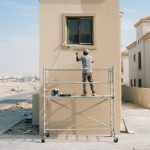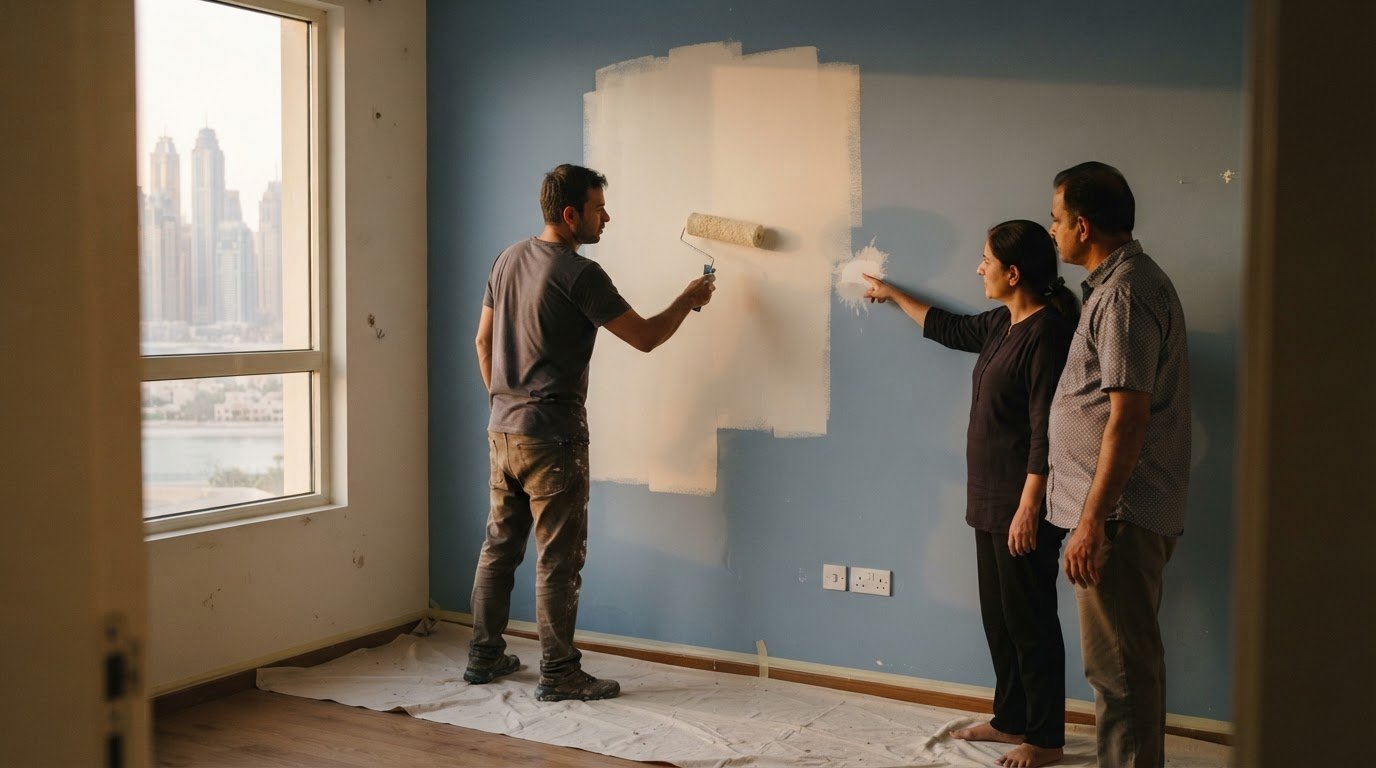
You can paint your rented apartment in Dubai, but your tenancy contract determines who pays. Get your landlord’s written permission before painting interior walls. Tenants are generally responsible for repainting walls they altered or damaged beyond fair wear and tear, and unpaid repainting costs may be deducted from the security deposit.
Want to refresh your space without an unexpected bill? Negotiating painting costs with landlords in Dubai starts with clarifying the work, the tenancy terms, and whether the painting addresses damage, ordinary wear, or a change you want to make.
This guide explains how to assess a painting quote, how contract clauses and deposit deductions can affect your costs, and how rental responsibilities apply in Dubai. You’ll have a clearer basis for agreeing on the scope and payment with your landlord before work begins.
Key Takeaways
- Get written landlord permission before painting interior walls, and clarify who is responsible for the work under your tenancy terms.
- Review a painting quote for preparation, repairs, paint type and the areas included so the agreed scope is clear before work begins.
- Keep dated move-in and move-out photos to document the apartment’s condition and help resolve repainting deductions from your deposit.
- Dubai tenancy relationships are governed by Law No. 26 of 2007; the contract’s painting clauses help determine how that framework applies to your situation.
1. Painting quote inclusions and exclusions
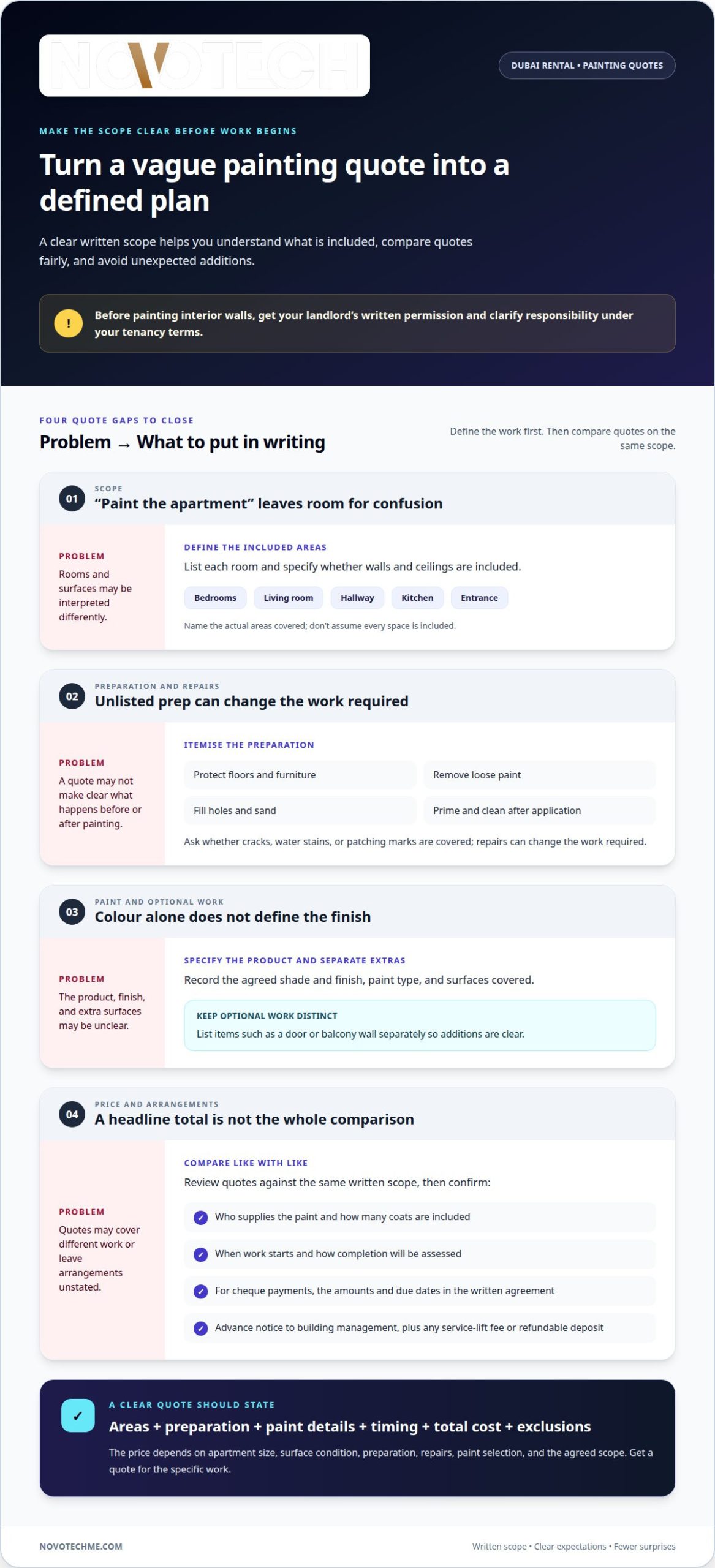
A useful painting quote turns a broad request into a defined scope. For a Dubai rental apartment, list the rooms, wall and ceiling surfaces, paint type, timeline, and total cost in writing. “Paint the apartment” leaves too much open: a bedroom ceiling, hallway, kitchen, and public-facing entrance may not all be included.
Ask for the preparation work to be itemised. This may include protecting floors and furniture, removing loose paint, filling holes, sanding, priming, and cleaning after application. Clarify whether the quote covers cracks or water stains, as repairs can change the work required. For example, a quote for two bedrooms and a living room should say whether it includes ceiling paint and patching marks.
Specify the finish and product grade, not just the colour. A written description such as “interior walls in the agreed shade and finish” is clearer when it also identifies the paint type and surfaces covered. List optional work, such as repainting a door or balcony wall, separately to avoid unexpected additions.
The price depends on the apartment’s size, surface condition, preparation, repairs, paint selection, and agreed scope. Get a quote for your specific work, with exclusions and any potential additional work clearly identified.
Before agreeing, compare quotes based on the same scope, not just the headline total. Confirm who supplies the paint, how many coats are included, when work starts, and how completion will be assessed. If payment is by cheque, record the amounts and due dates in the written agreement. Notify building management in advance, and clarify any service-lift fee or refundable deposit before work begins.
2. Security deposit deductions for repainting
A landlord may deduct unpaid repainting costs from a tenant’s security deposit in Dubai. Before signing, document existing paint damage with dated photographs and a written move-in condition record. Photograph each affected wall clearly and keep the images with your tenancy documents. Repeat the process at move-out to record any changes.
For example, photograph a pre-existing water stain and note its room and location. If the landlord later proposes repainting that area, compare the proposed deduction with your records and tenancy terms. Ask for a written explanation that identifies the affected surfaces, work completed, and how the deduction was calculated. Specific details give both parties a clearer basis for discussion than differing recollections.
Distinguish damage from fair wear and tear when discussing responsibility. Dubai tenants are generally responsible for repainting walls they altered or damaged beyond fair wear and tear when returning a rental property. A changed wall colour or a new mark may raise different issues from paint deterioration through ordinary use. Refer to the relevant contract clause and evidence for each area.
If discussion doesn’t resolve the disagreement, Dubai’s Rental Disputes Centre is the relevant named dispute body. It was established under Decree No. 26 of 2013. Keep the tenancy contract, dated photographs, landlord messages and any written deduction breakdown together. These records help present the repainting issue clearly, without assuming a particular outcome or procedure.
Protect your budget by disputing proposed deductions in writing before treating them as agreed. Identify the charge you contest, refer to the relevant photograph or contract term, and suggest a specific resolution, such as excluding documented pre-existing damage. Keep copies of each message and response. This creates a clear record if the matter proceeds to a formal dispute. A wall’s general condition alone doesn’t show who caused damage; dated evidence and the tenancy terms provide a more useful comparison.
3. Tenancy contract clauses about painting
Yes. Tenants can negotiate painting responsibilities before signing or renewing a Dubai lease, then record the agreement in the contract or a written addendum. The contract determines specific painting obligations, and Dubai’s tenancy framework does not set one fixed rule for every case. Negotiating painting costs with landlords in Dubai is most effective before accepting terms that leave payment or restoration unclear.
Read clauses covering alterations, maintenance, repairs, and the apartment’s condition at handover. A general requirement to return the property in good condition doesn’t clarify whether repainting is required after ordinary use. Ask for wording that distinguishes routine wear from tenant-made changes or damage. This gives both parties a clearer basis for deciding who pays.
Propose a clause that names the rooms and the work each party accepts. For example, the landlord could agree to repaint a marked living-room wall before move-in, while the tenant agrees not to change other wall colours without written permission. Clarify who arranges and pays for the work, and what condition applies when the tenancy ends.
For a renewal, raise the issue before accepting revised terms. If the apartment needs repainting, identify the affected surfaces and propose a clear arrangement: landlord-funded work, tenant-funded work, or an agreed division of responsibilities. Put the details in writing rather than relying on a verbal understanding. A signed addendum can record the scope and handover expectations.
Tenants negotiating painting costs with landlords in Dubai can use precise wording to avoid broad obligations. “Tenant handles painting” could be interpreted widely, while “tenant pays for repainting only where walls are altered or damaged beyond fair wear and tear” sets a clearer boundary. Avoid promising to restore the apartment “as new,” which does not define the work or standard.
Before signing, keep the agreed clause with your lease documents and retain written approval for later changes. If the existing contract assigns repainting responsibility, discuss an amendment before work starts. Clear terms help tenants plan their budget and reduce the chance of a dispute over repainting expenses that could otherwise reach thousands.
4. Dubai tenancy law and painting responsibilities
Dubai tenancy relationships are governed by Law No. 26 of 2007, according to Dubai Legislation Portal. The law’s general framework works alongside the lease, which can set specific maintenance and painting responsibilities. Read the relevant clauses before deciding who pays for repainting or repairs.
Landlords are responsible for property maintenance and repairs unless the lease says otherwise. Tenants are generally responsible for repainting walls they altered or damaged beyond fair wear and tear. This distinction can guide discussions about a wall marked during the tenancy versus paintwork needed as part of broader property maintenance.
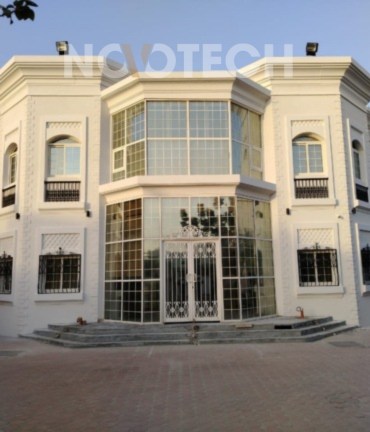
The responsibility framework is similar for apartments and villas, but the scope of work may differ. An apartment quote may cover interior walls, while a villa request might include interior surfaces or exterior finishes; the lease still determines who pays. In managed communities such as Emaar or Nakheel, tenants must obtain NOC approval before changing exterior colours.
To request repainting, write to your landlord with the affected rooms, the reason for the work, and dated photographs. Identify whether the issue is existing damage, deterioration, or a proposed colour change. Ask the landlord to confirm the work scope, payment responsibility, access arrangements, and timing in writing. Keep the message and response with your lease.
A market rate can help you assess a quote, but it does not determine the lease obligation. Repainting one damaged bedroom wall is different from refreshing every room at move-out. Explain which work you mean, then refer to the contract clause covering maintenance, alterations, or handover condition. This record can also help clarify disagreements before they escalate.
If the agreed scope includes a planned refresh, arrange apartment painting to address the interior work.
NovoTech: Anti-Corrosive Paint Solutions
NovoTech provides Anti-Corrosive Paint Solutions for projects requiring protective painting. For a rented apartment, first agree on landlord approval and payment responsibility in writing, then consider NovoTech’s Interior Painting Solutions for the approved work. Exterior Building Painting Services and Villa Painting & Exterior Finishes serve other property painting needs.
Share the approved scope, affected surfaces, and relevant tenancy conditions when discussing the work. This helps align the painting plan with the property and the landlord’s written requirements. NovoTech’s painting services are suited to planned work, not disputes over deposit deductions or interpreting lease obligations.
Contact NovoTech to discuss your painting project.
Plan the next step with clarity
Painting can be part of a broader property refresh, so consider how the work fits your plans for the home as well as the immediate repair. A focused discussion about negotiating painting costs with landlords in Dubai can align the intended finish with your tenancy and the property’s upkeep. Identify the outcome you want, the areas involved, and how the finished space should serve you.
For agreed professional work, NovoTech offers Interior Painting Solutions, Exterior Building Painting Services, and Villa Painting & Exterior Finishes. These services address different property needs, from refreshing interior spaces to painting villa exteriors. Choose the service that matches the work agreed with your landlord and the property’s requirements.
Contact NovoTech for painting advice and take the next step with a clear plan for your space.
Frequently Asked Questions
Can I paint my rented apartment in Dubai?
Yes, but get your landlord’s written permission before changing interior walls. Specify the proposed colour, rooms, and finish, then agree who will pay and whether the apartment must be restored before you leave. For example, repainting one bedroom wall in a different shade may affect handover expectations, even if the work is professionally completed. Keep the approval with your tenancy records.
Do I have to repaint when I move out in Dubai?
Not automatically. Tenants are generally responsible for repainting walls they altered or damaged beyond fair wear and tear, but the tenancy contract can set different terms. Changing a neutral wall to a strong colour, for instance, may raise a restoration issue that ordinary fading does not. Review your lease and discuss disputed work before arranging repainting or accepting a proposed deduction.
Dubai Tenant Painting Rights: Who Pays, Landlord or Tenant?
The lease and the reason for repainting determine who pays. Landlords are responsible for property maintenance and repairs unless the lease says otherwise; tenants are generally responsible for walls they altered or damaged beyond fair wear and tear. If a landlord requests repainting across the whole apartment, ask which contract clause applies and which areas show damage beyond ordinary use.
How do I avoid painting disputes at handover?
Agree on the handover condition before moving out, and keep the discussion in writing. Walk through the apartment room by room with your landlord, noting existing marks, agreed repairs, and any wall colours changed during the tenancy. Keep dated move-in and move-out photographs, messages, and receipts together. A clear record helps distinguish a specific repair from a general repaint request.
How do I know if a Dubai painter is about to overcharge me?
Be cautious of a quote that is hard to assess, such as a single total without named rooms, preparation tasks, paint type, or exclusions. Request an itemised scope and compare quotes for the same surfaces and work. For example, a quote that includes crack repairs is not directly comparable with one that excludes them. Ask for any unclear additions to be explained in writing.
What does RERA say about painting?
There is no single painting rule for every Dubai tenancy; the contract determines the specific obligations. Read clauses covering maintenance, alterations, and the property’s return condition. RERA’s rental framework should not be treated as automatic approval to repaint or as a blanket requirement to repaint at move-out. If a deduction is proposed, refer to the relevant lease wording and evidence of the wall’s condition.