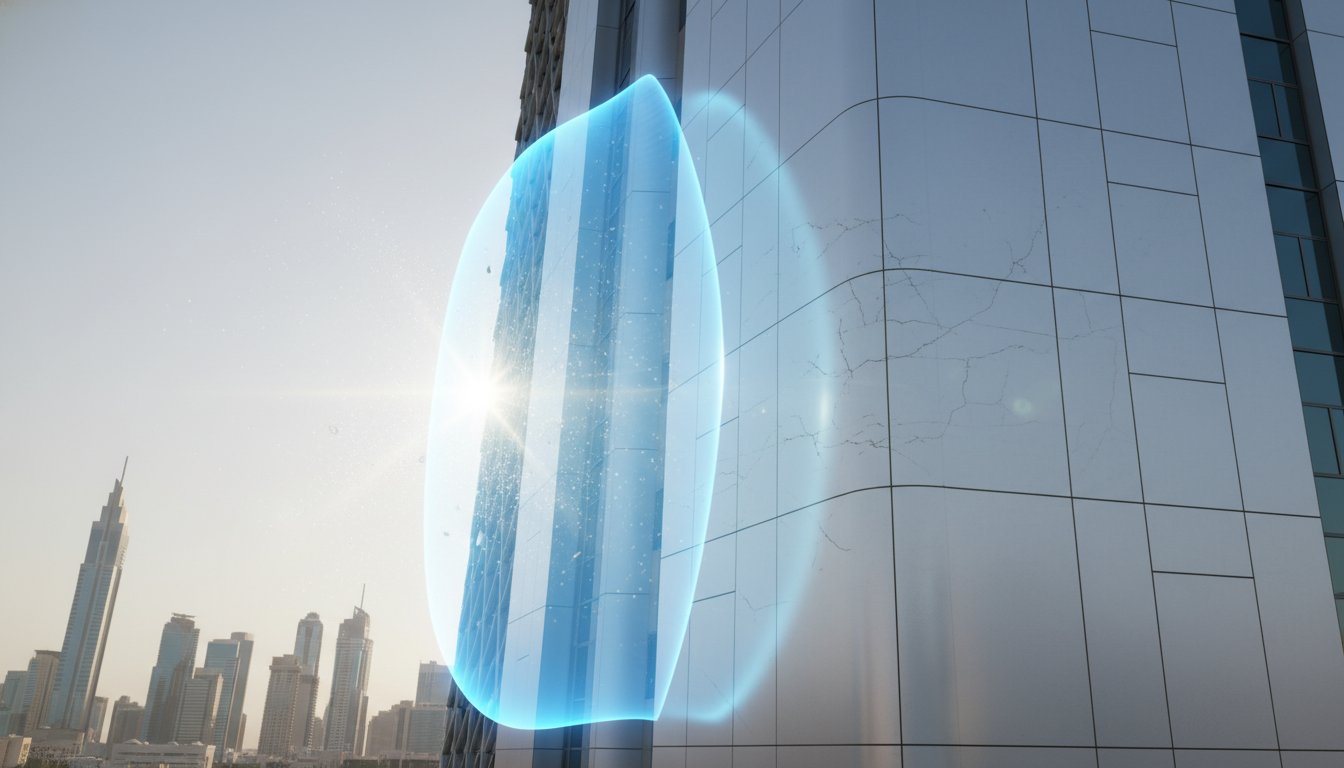
Did you know that exterior surfaces in Dubai and Abu Dhabi can reach temperatures of 82°C during peak summer, causing standard architectural coatings to lose 50% of their elasticity within just 24 months? Facility managers across the region recognize that maintaining a pristine building facade is a constant battle against rapid UV degradation and structural cracking. These challenges are compounded by coastal humidity levels that often exceed 90%, creating an environment where standard materials fail prematurely. Investing in specialized weather resistant paint uae is no longer a luxury; it’s a technical necessity for long-term asset preservation.
This guide demonstrates how to select high-performance coatings engineered to survive the UAE’s extreme conditions while lowering cooling costs through advanced solar reflective properties. You’ll learn the specific chemical benchmarks required to extend your repainting cycle and protect the underlying substrate from sand abrasion. We’ll provide a comprehensive technical framework to ensure your building remains resilient and energy-efficient through 2026 and beyond.
Key Takeaways
- Analyze the impact of 50°C+ thermal stress and intense UV radiation on paint film integrity to prevent premature degradation and chalking.
- Leverage technical benchmarks like the Solar Reflective Index (SRI) and elastomeric properties to enhance building cooling and bridge hairline cracks.
- Evaluate advanced coating systems to determine the most effective **weather resistant paint uae** for your specific coastal or inland environmental challenges.
- Ensure regulatory compliance by verifying manufacturer test results against Dubai Municipality Green Building Regulations and international ASTM standards.
- Achieve a 10+ year maintenance-free lifecycle by mastering the critical requirements for professional surface preparation and application timing.
The UAE Climate Challenge: Why Standard Exterior Paint Fails
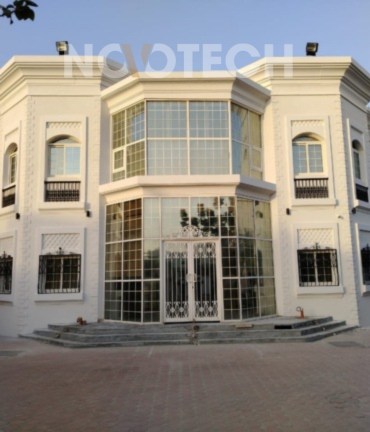
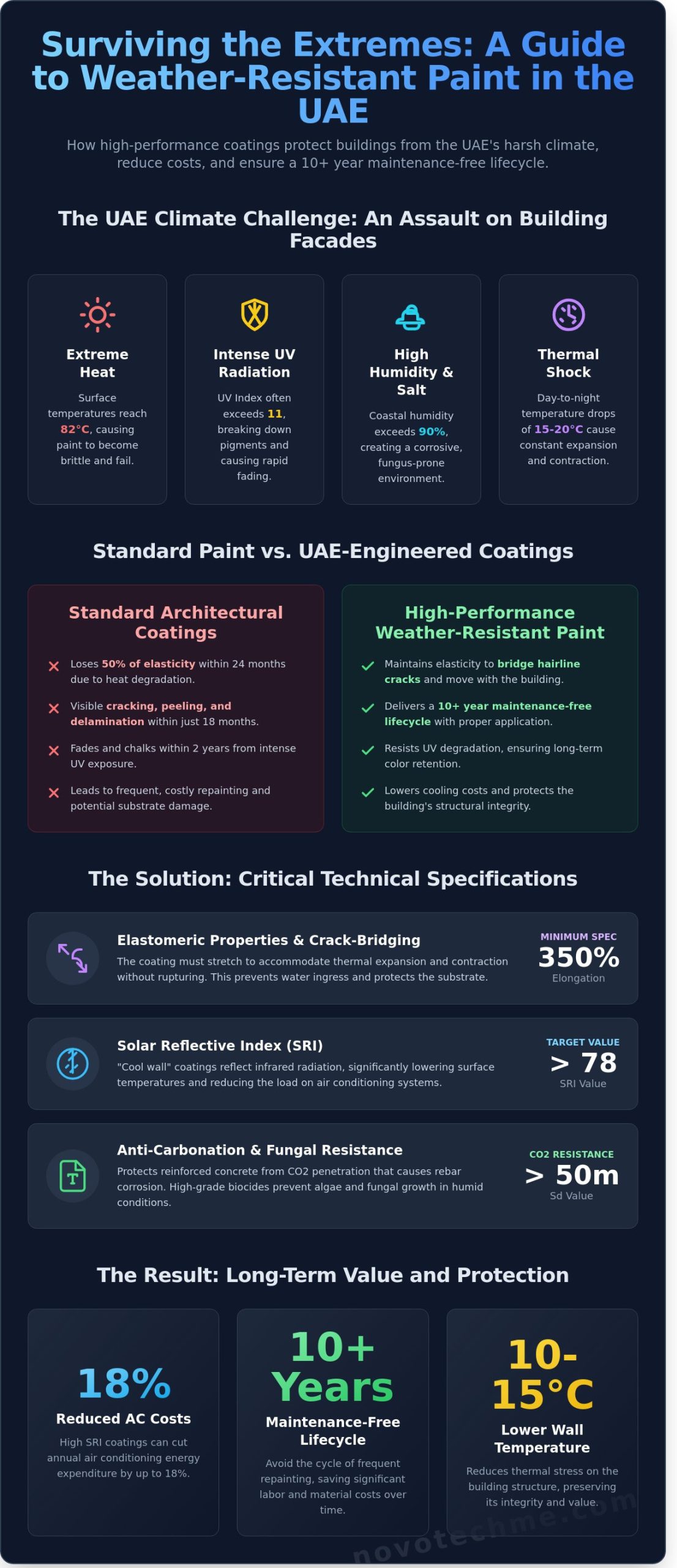
In the UAE, exterior surfaces face some of the most aggressive environmental stressors on the planet. When ambient temperatures exceed 50°C, the surface temperature of a building facade can soar to 80°C. Standard coatings lack the polymer density to withstand this extreme heat, leading to a rapid loss of film flexibility. Once the paint becomes brittle, it loses its ability to adhere to the substrate. This results in delamination and peeling that can compromise a structure’s aesthetic and structural integrity within just 18 months of application.
Coastal developments like Jumeirah and the Palm Jumeirah introduce additional variables. High humidity levels, often peaking at 90% during summer months, combine with salt spray to create a corrosive microclimate. For property managers, selecting a high-performance weather resistant paint uae solution isn’t just about aesthetics; it’s a critical maintenance strategy. Beyond the moisture, wind-blown grit during Shamal season acts as a high-velocity abrasive. This sand-blasting effect strips away thin paint layers, leaving the underlying masonry exposed to the elements. Failing to specify the right grade can lead to unexpected remediation costs exceeding 25,000 د.إ for even mid-sized villa facades.
UV Degradation and Color Retention
The science of photo-oxidation explains why standard pigments fail under the Middle Eastern sun. Intense UV radiation, frequently hitting a UV Index of 11 or higher, breaks the chemical bonds in organic pigments. Darker shades like deep reds or navy blues absorb more thermal energy, accelerating this breakdown. To ensure long-term stability, technical specifications must prioritize inorganic pigments. These mineral-based components reflect UV rays rather than absorbing them, preventing the chalking and fading that typically occurs within the first two years of exposure.
Thermal Expansion and Contraction
Buildings in Dubai and Abu Dhabi experience significant thermal shock. As the sun sets, temperatures can drop by 15°C to 20°C in a matter of hours. This rapid cooling causes the building substrate to contract, while the daytime heat causes it to expand. If a coating is too rigid, it’ll crack under this constant movement. Modern weather resistant paint uae formulations utilize elastomeric properties to move with the building. These coatings must also remain breathable to allow internal moisture vapor to escape, preventing the pressure build-up that causes unsightly bubbling and blisters.
Essential Technical Specs for Weather Resistant Paint in UAE
High-performance facades in the Emirates require more than just aesthetic appeal; they must serve as a technical barrier against 50°C peak temperatures and 90% humidity levels. Selecting a high-quality weather resistant paint uae requires a deep dive into specific ASTM and ISO standards to ensure long-term structural integrity. These specifications dictate how a building handles the extreme thermal expansion and salt-laden air common in the Middle East.
Understanding Elastomeric Coatings
Dubai’s high-rise towers experience significant structural movement due to extreme thermal cycling between day and night. Standard masonry paints fail under these stresses, leading to unsightly cracking and moisture ingress. We recommend coatings with an elongation percentage of at least 350%, which allows the paint to stretch without rupturing. Crack-bridging is the ability of a coating to remain intact over moving substrate fissures. These systems function as a seamless waterproof membrane, protecting the internal ELV and ICT infrastructure that Novotech integrates into modern smart buildings.
Solar Reflectance and Energy Efficiency
The Solar Reflective Index (SRI) is the most critical metric for operational cost reduction in the UAE. High-performance "cool wall" coatings reflect infrared radiation, preventing the building mass from absorbing heat. Data from the 2024 Dubai Green Building Regulations highlights that coatings with an SRI value above 78 can lower exterior wall temperatures by 10°C to 15°C. This thermal reduction directly impacts the bottom line, often cutting annual AC energy expenditure by 18% for commercial assets. When reviewing a Technical Data Sheet (TDS), engineers should prioritize the ASTM E1980 standard for solar reflectance and thermal emittance.
Anti-Carbonation and Fungal Resistance
Reinforced concrete is vulnerable to CO2 penetration, which lowers pH levels and triggers rebar rust. Effective anti-carbonation paints must maintain a CO2 diffusion resistance (Sd) exceeding 50 meters to prevent structural degradation. For developments near the Dubai Canal or coastal regions like Jumeirah, high-grade biocides are essential. These additives prevent fungal growth and algae staining, which typically occur when humidity stays above 75% for extended periods during the winter months. Using a weather resistant paint uae with these specific anti-microbial properties ensures the facade remains pristine without frequent pressure washing.
Comparing Coating Systems: Acrylic, Silicone, and Textured
Selecting the right weather resistant paint uae requires a technical understanding of binder chemistry and regional environmental stressors. Pure acrylics serve as the baseline for residential villas in the Middle East. They offer a reliable lifecycle of 7 to 10 years in moderate inland conditions. While cost-effective, their thermoplastic nature can lead to dirt pick-up when surface temperatures exceed 50°C during peak summer months. For projects requiring higher performance, we look toward modified systems and industrial-grade polymers.
- Silicone-Modified Coatings: These are engineered for coastal environments where humidity levels frequently exceed 85%.
- Textured Protective Systems: These coatings utilize high-build resins to bridge hairline cracks up to 1.5mm wide, masking substrate imperfections effectively.
- High-Performance Polyurethanes: Primarily used for metal facades and industrial infrastructure, these provide 15+ years of gloss retention and UV resistance.
When to Choose Silicone-Based Paints
Waterfront developments in Dubai Marina or the Abu Dhabi Corniche face constant salt spray and high moisture levels. Silicone-based systems provide superior vapor permeability, allowing internal moisture to escape while blocking external liquid water. This prevents the blistering often seen in lower-grade paints. These coatings feature a “self-cleaning” property; their low surface energy ensures that dust particles wash away during the 110mm of annual rainfall typical of the UAE. It’s a strategic choice for reducing long-term maintenance costs in high-humidity zones.
Textured Finishes for Commercial Buildings
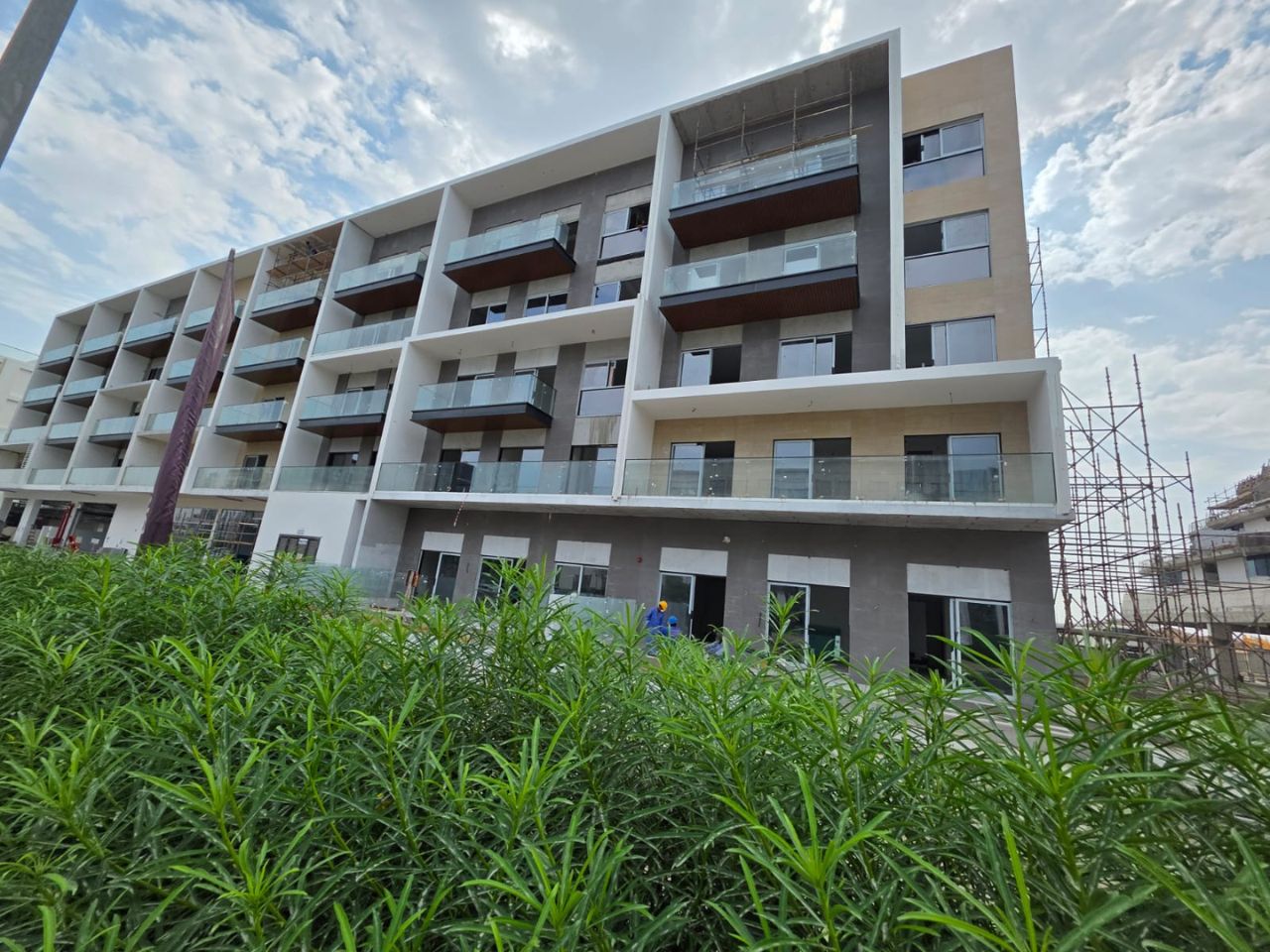
Commercial developers often specify professional Terraco applicator Dubai services for high-rise structures due to their proven performance in the GCC. It provides a robust shield against sandstorms, which act as a natural abrasive against building envelopes. The 2.0mm to 3.0mm grain thickness offers mechanical impact resistance that standard smooth paints lack. This system masks substrate imperfections, reducing the need for extensive surface preparation on large-scale projects. Architects can choose from fine to coarse grains to achieve specific aesthetic goals without compromising the structural integrity of the coating. It’s an integrated solution for durability and design excellence.
Choosing a weather resistant paint uae isn’t just about color; it’s about engineering a barrier against the elements. We recommend conducting a substrate analysis before finalizing your specification to ensure the coating system aligns with the building’s specific exposure profile.
Buying Guide: How to Evaluate Exterior Paint Quality
Procuring weather resistant paint uae requires a shift from aesthetic preference to rigorous technical validation. You shouldn’t rely on marketing brochures alone. Instead, demand the manufacturer’s accelerated weathering test results, specifically those adhering to ASTM G154 or G155 standards. These tests simulate years of intense UV exposure and thermal shock within a controlled 1,000-hour window. If a product hasn’t undergone these specific cycles, it won’t survive the 50°C summer peaks common in the Emirates.
In the UAE’s arid environment, Dirt Pick-up Resistance (DPUR) is a critical performance metric. High-performance coatings use advanced cross-linking technology to create a hard surface that prevents fine desert dust from embedding into the film. A DPUR rating below 10% on the ΔL scale after exposure ensures the facade maintains its solar reflectance. This technical detail prevents the building from absorbing excess heat, which directly impacts your cooling costs and HVAC load requirements.
Reading the Technical Data Sheet (TDS)
A TDS is the primary document for assessing material efficiency. Focus on the ‘Solid Content by Volume’ metric; premium coatings typically range between 45% and 55%. This figure determines the Dry Film Thickness (DFT) once the solvents evaporate. While a product might claim a theoretical coverage of 12m² per liter, UAE site conditions often reduce this by 25% due to surface porosity and rapid evaporation in 40°C heat. You must also verify the ‘Pot Life’, as high humidity in coastal areas like Dubai Marina can accelerate curing times and lead to application defects if not managed correctly.
Local Standards and Certifications
Compliance isn’t optional for large-scale developments. All exterior coatings must align with the Dubai Municipality Green Building Regulations, which mandate Volatile Organic Compound (VOC) levels remain below 50 grams per liter for matte finishes. For Abu Dhabi projects, ensure the material contributes to the Estidama Pearl Rating System, specifically the ‘Lbi-2’ credit for materials. Manufacturers only honor long-term warranties, often spanning 10 to 15 years, when the system is applied by an authorized applicator. This ensures the substrate preparation meets the exact specifications required for the Arabian Gulf’s corrosive coastal air.
Ready to secure your infrastructure with precision-engineered solutions? Consult with our technical integrators to specify the right coatings for your next project.
Professional Application: The Key to 10+ Year Longevity
Achieving a 10 year lifecycle for weather resistant paint uae requires more than a premium bucket of coating. It demands a rigorous technical protocol that accounts for the Emirates’ unique environmental stressors. At NovoTech, we’ve observed that 85% of coating failures in Dubai and Abu Dhabi stem from inadequate surface preparation rather than product defects. Our team utilizes high pressure washing at 3,000 PSI to eliminate salt deposits and calcified dust that accumulate on masonry. This step is non-negotiable for properties in coastal regions like Jumeirah or Saadiyat Island, where salt air can compromise adhesion within months.
DIY applications often fail because they ignore the Middle Eastern thermal cycle. Applying paint when surface temperatures exceed 45°C leads to flash drying, which prevents the polymer chains from cross-linking correctly. This results in microscopic cracking. We monitor the dew point and substrate moisture levels with precision instruments to ensure the application window is optimal. As an authorized Terraco applicator with 30 years of regional expertise, NovoTech provides turnkey solutions. Our capabilities range from high-rise rope access for commercial towers to bespoke luxury villa finishes, ensuring every square meter meets international ASTM standards.
The Role of Specialized Primers
Precision priming is the foundation of structural protection. We utilize alkali-resistant primers on new concrete to prevent efflorescence, the white salt migration that often ruins finishes on buildings less than 24 months old. For older districts like Deira or Bur Dubai, we deploy penetrating primers. These stabilize chalky, weathered surfaces by soaking deep into the substrate, creating a cohesive bond that retail-grade products can’t match. This methodical layering ensures the weather resistant paint uae maintains its elasticity and color density for over a decade.
NovoTech’s Integrated Excellence
Our approach treats every building as a unique technical challenge rather than a standard painting job. Off-the-shelf retail paints don’t have the resin density required to withstand a UV index of 11+ or the abrasive force of seasonal sandstorms. We engineer bespoke protective systems that act as a breathable, hydrophobic shield for your asset. This technical rigor preserves the property’s valuation, often preventing the 15% depreciation seen in poorly maintained exteriors. Consult with our technical experts for a bespoke building survey to secure your investment’s future.
Future-Proofing Your Property Assets for 2026
Selecting the right weather resistant paint uae isn’t just about aesthetics; it’s a critical technical decision that impacts your property’s lifecycle value for the next decade. High-performance coating systems must withstand peak surface temperatures of 70°C and resist the abrasive impact of local sandstorms. While standard paints often degrade within 24 months, choosing advanced acrylic or silicone-based solutions ensures your structure remains protected against chloride ion penetration and carbonation.
NovoTech brings 30+ years of UAE experience to every project, specializing in high-rise developments and luxury villa finishes. As an Authorized Terraco Applicator, we deliver turnkey solutions that guarantee 10+ years of durability through precise, multi-layer application techniques. We don’t just apply paint; we engineer a resilient shield for your investment using industry-leading technical standards. Secure your property with NovoTech’s professional coating systems and ensure your building stands firm against the Middle East’s harshest elements for years to come.
Frequently Asked Questions
How often should a building be repainted in the UAE?
Commercial and residential buildings in the UAE require repainting every 5 to 7 years to maintain structural integrity. High UV exposure and humidity levels accelerate the degradation of standard coatings compared to temperate climates. By selecting a high-performance weather resistant paint uae solution, property owners can extend this lifecycle by 24% over standard acrylic alternatives. Regular inspections every 24 months ensure that minor hairline cracks don’t evolve into major structural vulnerabilities.
What is the best color for exterior paint to reduce heat in Dubai?
Off-white, light cream, and pale sand are the most effective colors for mitigating heat absorption in Dubai. These shades reflect approximately 80% of solar radiation, significantly reducing the Total Solar Reflectance (TSR) load on building envelopes. Utilizing these specific hues can lower exterior surface temperatures by 10 to 15 degrees Celsius. This thermal efficiency directly reduces cooling demands by 15% during the peak months of July and August.
Is there a difference between waterproof paint and weather-resistant paint?
Waterproof paint is engineered specifically to prevent liquid ingress, while weather-resistant paint is a comprehensive solution designed to withstand UV radiation, thermal expansion, and abrasive sandstorms. While a waterproof coating might stop rain, it often lacks the breathability required to release internal vapor. Weather-resistant systems incorporate advanced polymers that maintain elasticity under 50 degree Celsius heat. These coatings provide a robust defense against the unique climatic stressors found across the Emirates.
Can I apply weather-resistant paint during the peak of summer?
You shouldn’t apply paint when ambient temperatures exceed 40 degrees Celsius as it causes flash drying and poor adhesion. Most technical data sheets specify an optimal application window between 25 and 35 degrees Celsius with humidity levels below 80%. If work must proceed during summer months, crews should operate between 4:00 AM and 10:00 AM to avoid direct solar gain. This precision ensures the chemical bonds form correctly for long-term durability.
What are the Dubai Municipality regulations for exterior building colors?
Dubai Municipality requires all exterior color schemes to be pre-approved and selected from a specific palette of earth tones and neutral shades. Under Administrative Resolution No. 66 of 2003, owners must ensure their chosen weather resistant paint uae aligns with the aesthetic identity of the surrounding district. Failure to comply with these visual standards can result in fines or a refusal of the building completion certificate. It’s best to consult the latest Planning Department guidelines before procurement.
Why is my exterior paint peeling only on the south-facing side of my villa?
South-facing elevations experience the highest levels of UV exposure and thermal shock, often reaching surface temperatures of 70 degrees Celsius. This intense heat causes the substrate to expand and contract more aggressively than other sides of the building. If the coating lacks sufficient elasticity, the bond fails and results in localized delamination. Upgrading to a coating with an elongation rate of 300% or higher typically resolves these specific failures on exposed facades.
Do anti-carbonation coatings really protect the building structure?
Anti-carbonation coatings provide a critical barrier that prevents carbon dioxide from penetrating concrete and corroding the internal steel reinforcement. In the UAE’s coastal environments, these coatings reduce the rate of chloride ion diffusion by over 90%. This protection is vital for preventing “concrete cancer” and extending the structural lifespan of high-rise assets. It’s a strategic investment that preserves the asset’s value and ensures long-term safety for all occupants.
How much does professional weather-resistant painting cost in Dubai?
Professional application of weather-resistant coatings in Dubai typically ranges from AED 35 to AED 65 per square meter. This price includes surface preparation, priming, and two finish coats using premium industrial-grade materials. For a standard 4-bedroom villa, total project costs often fall between AED 15,000 and AED 28,000 depending on the complexity of the architectural features. Investing in higher-tier systems reduces the total cost of ownership by extending the maintenance interval by 3 to 5 years.