In the UAE’s high-salinity and high-UV environment, a building’s facade and structural integrity can degrade significantly faster than in temperate climates without a rigorous preventative strategy. We understand that reactive repairs are the primary driver of inflated operational expenditure, often compounded by the technical demands of Dubai’s extreme humidity and heat. Implementing a comprehensive building maintenance checklist for property managers is no longer just a best practice; it’s a strategic necessity to mitigate these environmental risks and ensure long-term asset viability in a competitive market.
You likely recognize that keeping pace with tenant expectations for seamless cooling and plumbing while managing structural health is an increasingly complex challenge. This guide provides a professional-grade framework designed to reduce your OPEX and extend the life of your property’s infrastructure through 2026. We’ll examine critical inspection points, including compliance with the mandatory Quality and Safety Certificate under Law No. (3) of 2026. By shifting from reactive fixes to a systematic approach involving advanced protective painting systems and regular MEP audits, we help you master the lifecycle of your facility with precision and confidence.
Key Takeaways
- Apply the 1-10-100 rule to your facility management strategy to prevent minor maintenance issues from escalating into high-cost emergency remediations.
- Utilize a professional-grade building maintenance checklist for property managers to systematically identify UV-related facade degradation and structural hairline cracks before they compromise asset integrity.
- Implement monthly MEP efficiency audits and quarterly gypsum ceiling inspections to ensure interior systems remain functional and visually pristine throughout the year.
- Align your maintenance schedule with the UAE’s seasonal shifts to protect critical components like HVAC systems and thermal expansion joints from extreme heat loads.
- Transition toward an integrated excellence model that combines technical precision with regional expertise to extend the operational lifespan of your building’s core systems.
Why Property Managers Need a Professional Maintenance Framework
Proactive building maintenance represents the systematic inspection and repair of structural, mechanical, and aesthetic systems to ensure peak operational performance. In the competitive real estate sectors of Dubai Marina and Business Bay, asset managers rely on a Professional Maintenance Framework to protect property yields and maintain high tenant retention rates. Properties that prioritize a high-tech, seamless experience often see 40% lower turnover, which directly correlates to the rigor of their upkeep. We view maintenance not as a recurring expense, but as a strategic investment in asset longevity and risk mitigation. For 2026, we’ve introduced the concept of “Climate-Adaptive Maintenance,” a specialized approach that recalibrates traditional upkeep schedules to account for the increasing thermal stresses and atmospheric salinity unique to our region.
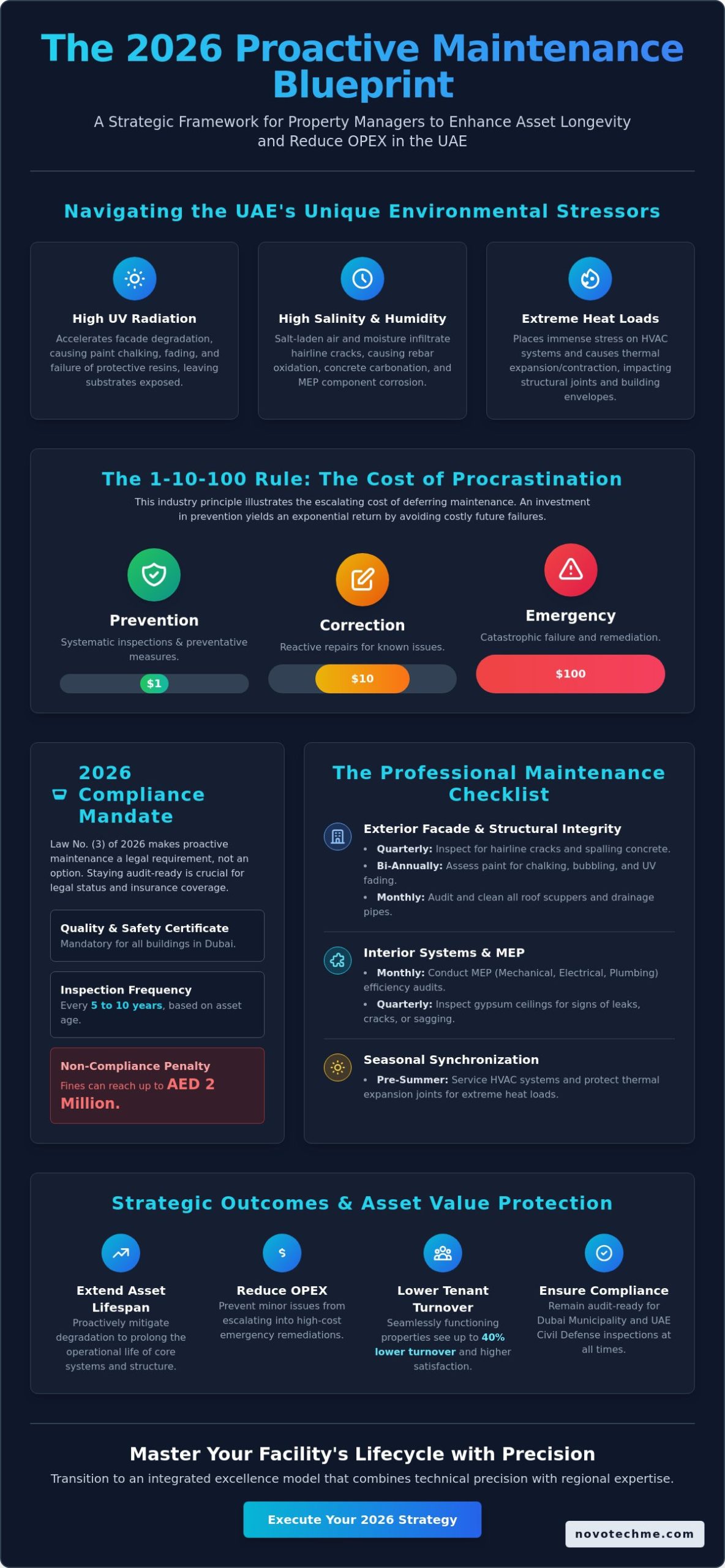
The industry standard for cost efficiency is the “1-10-100 Rule.” This principle asserts that $1 invested in preventative measures saves $10 in corrective repairs and $100 in emergency remediation. For a high-rise in Dubai, where annual maintenance costs for Grade A towers benchmark between AED 65 to AED 110 per square meter, failing to utilize a comprehensive building maintenance checklist for property managers can lead to catastrophic budget overruns. By identifying a minor hairline crack or a failing sealant early, we prevent the exponential costs associated with structural remediation or total system failure.
The True Cost of Reactive Maintenance in the UAE
The UAE’s environment presents unique challenges. Fine sand and high humidity accelerate the degradation of HVAC components and facade sealants, leading to premature failure. If property managers wait for a system to break, they face not only the cost of the part but also the loss of tenant trust and potential structural damage. Neglecting the building envelope in high-occupancy towers creates liability risks that far outweigh the cost of quarterly inspections. Deferred maintenance effectively functions as high-interest debt that compounds against the building’s lifecycle value.
Compliance and Regulatory Standards for 2026
The legal landscape in 2026 has become significantly more stringent with the issuance of Law No. (3) of 2026. This mandate requires all buildings in Dubai to obtain a “Quality and Safety Certificate,” with inspections conducted every 5 to 10 years depending on the asset’s age. Non-compliance is a serious risk; repeat violations can result in fines reaching AED 2 million. A structured building maintenance checklist for property managers ensures your facility remains audit-ready for Dubai Municipality and UAE Civil Defense inspections at all times. This includes mandatory fire safety audits and elevator certifications that are essential for maintaining your building’s legal status and insurance coverage.
The Core Checklist: Exterior Facade and Structural Integrity
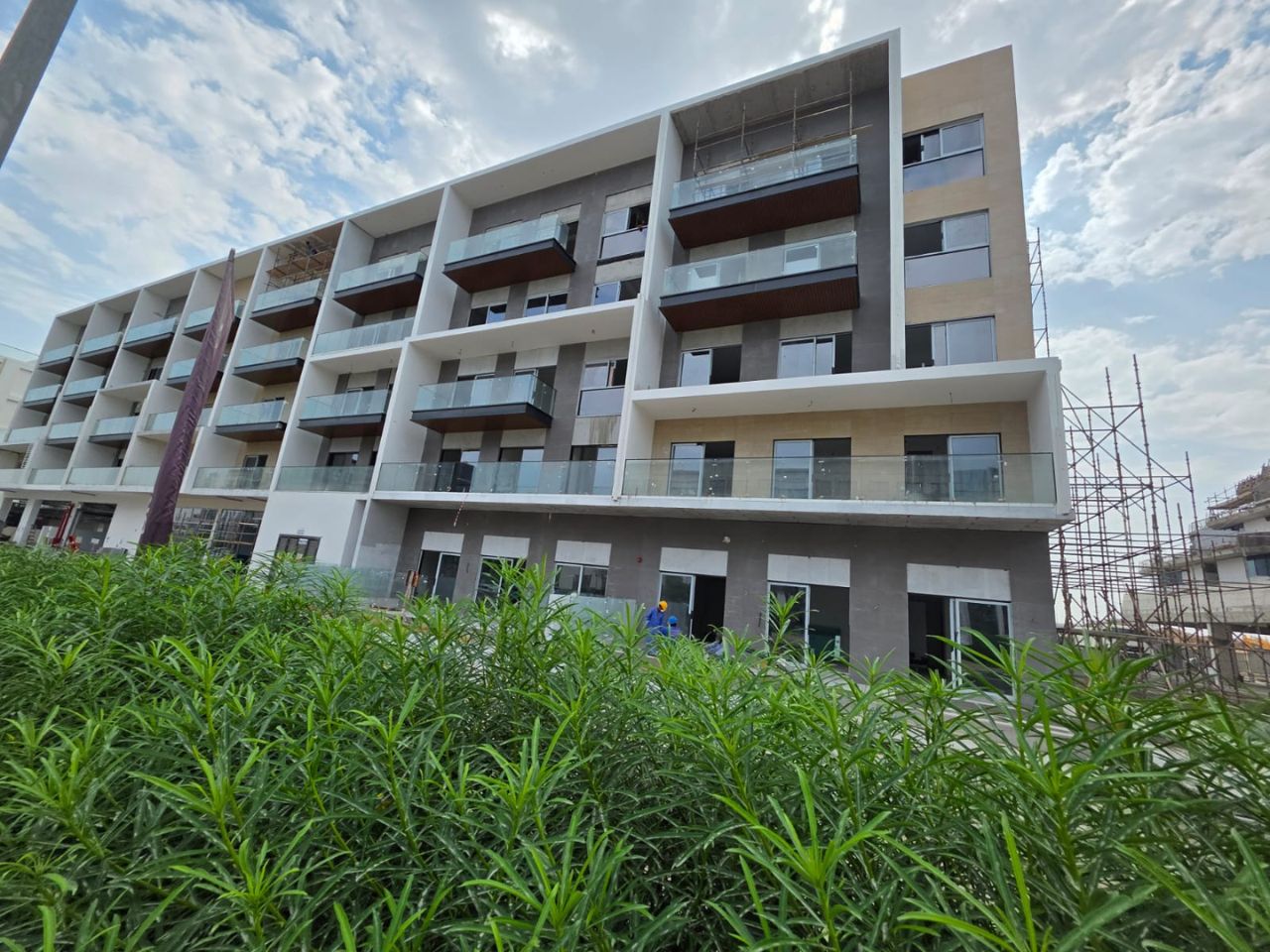
The building envelope serves as the primary line of defense against the UAE’s aggressive atmospheric conditions. A professional building maintenance checklist for property managers must prioritize the structural integrity of the facade to prevent long-term asset degradation. Quarterly inspections are necessary to detect hairline cracks and spalling concrete early. These seemingly minor issues allow salt-laden air to reach the reinforcement steel, causing internal oxidation and concrete carbonation. Adhering to building maintenance best practices ensures these vulnerabilities are documented and addressed before they necessitate major structural remediation.
Beyond structural scans, the checklist should include the following critical exterior tasks:
- Bi-annual Paint Assessment: Inspect the building’s surface for chalking, bubbling, or significant UV fading. These symptoms indicate the protective resin in the paint has failed, leaving the substrate exposed to the elements.
- Monthly Roof Drainage Audits: Clean all scuppers and drainage pipes. While rain is infrequent in the UAE, the intensity of seasonal storms can cause rapid water pooling and hydrostatic pressure on roof membranes.
- Annual Expansion Joint Review: The extreme temperature fluctuations between desert nights and peak summer days place immense stress on expansion joints. Verify that sealants remain pliable to prevent moisture ingress and thermal loss.
- Routine Metalwork Inspection: Check exposed balconies, railings, and AC platforms for signs of oxidation or salt-air corrosion, particularly in coastal developments.
High-Rise Facade Preservation and Painting
In high-density areas, exterior building painting in Dubai is a technical requirement for structural health. Modern coatings do more than provide color; they act as a breathable, waterproof shield. For exposed metal components, applying anti-corrosive paint in the UAE is essential to stop the rapid spread of rust. We recommend using specialized Terraco applicators who understand the specific bonding requirements of high-performance coatings in high-heat environments. Engaging a specialist for a comprehensive building audit ensures these technical details aren’t overlooked during routine cycles.
Roofing and Waterproofing Essentials
Roofing failures often manifest as internal damage long before they’re visible from the exterior. Identifying failing membranes early prevents costly gypsum ceiling repairs and mold growth. This is why partnering with reputable waterproofing companies in Dubai is a core component of long-term asset protection. Additionally, property managers should monitor solar panel mounting points for seal integrity and ensure that dust accumulation isn’t reducing the efficiency of roof-mounted energy systems or obstructing drainage paths.
Interior Systems: MEP and Structural Finishes
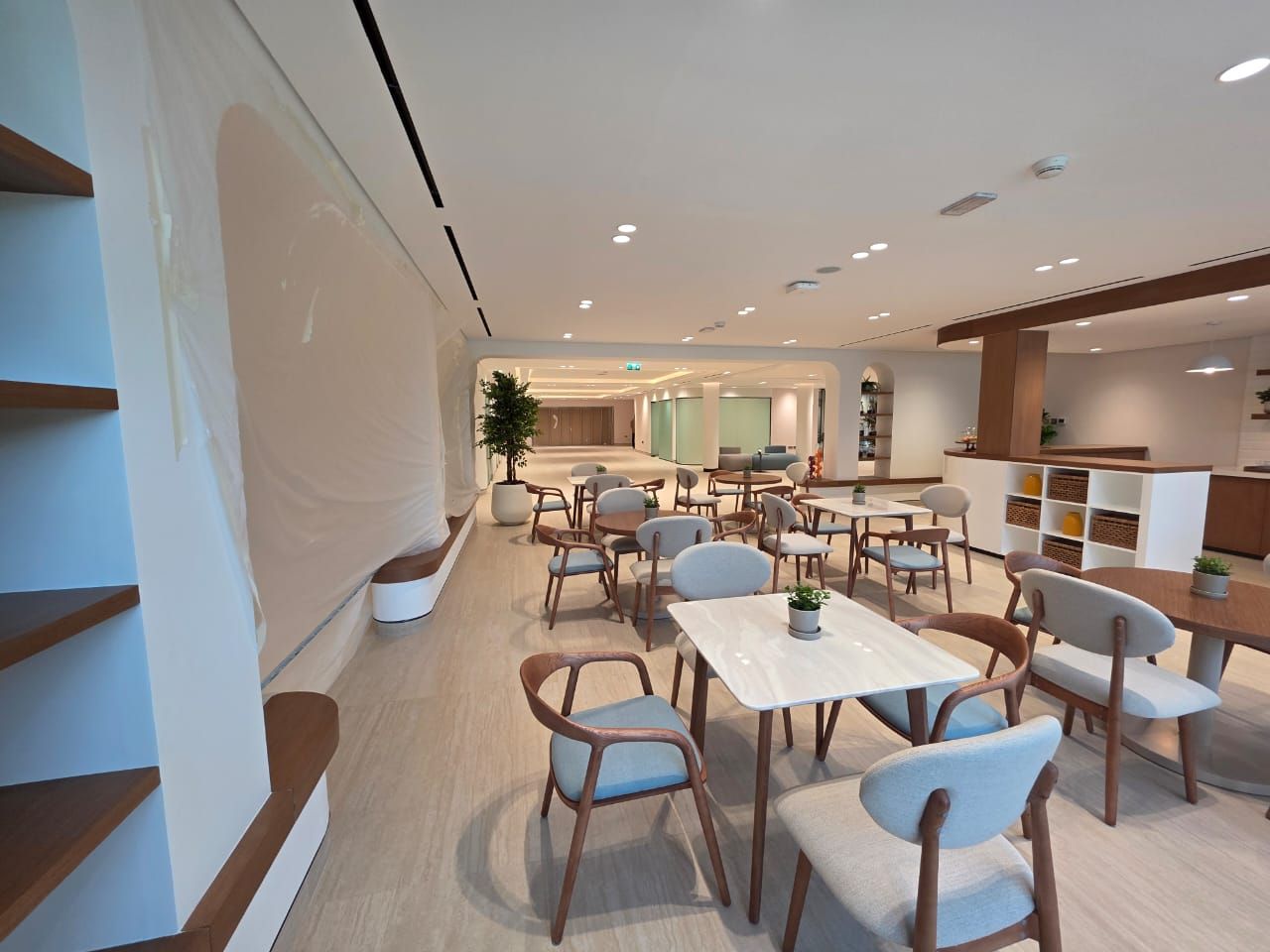
While the building envelope protects against external elements, the interior infrastructure determines the daily operational success of any commercial or residential asset. A robust building maintenance checklist for property managers must address the complex synergy between mechanical systems and the structural finishes that house them. We prioritize a methodology where technical precision meets aesthetic excellence, ensuring that internal systems operate at peak efficiency while maintaining a premium environment for tenants. Neglecting these interior components often leads to cascading failures that compromise both the building’s utility and its market valuation.
To maintain an optimized interior environment, we recommend the following recurring technical audits:
- Weekly Safety Verifications: Conduct physical inspections of emergency lighting systems and verify pressure gauges on all fire suppression equipment to ensure immediate readiness.
- Quarterly Gypsum Inspections: Examine common area ceilings for structural hairline cracks or the early onset of water staining, which often signals hidden system failures.
- Bi-annual Parking Facility Audits: Perform deep cleaning and technical inspections of garage floors. We assess coating wear and identify oil spills that can degrade the underlying substrate if left untreated.
Maintaining the integrity of these surfaces is easier when the vehicles themselves are in top condition. For owners of European vehicles, utilizing expert service providers like Eurotech Automotive serves as a prime example of how specialized maintenance prevents the fluid leaks that often compromise garage floor coatings.
Gypsum and Ceiling Maintenance
In high-density environments, gypsum partitions and ceilings are vulnerable to both physical impact and environmental stress. Early detection of AC duct leaks is often possible through subtle gypsum discoloration before a full breach occurs. For property managers overseeing a high-traffic office renovation in Dubai, proactive maintenance of these partitions is essential to prevent structural fatigue. Maintaining aesthetic consistency in luxury lobbies requires professional touch-ups and alignment checks to ensure the property’s premium status remains uncompromised.
High-Performance Flooring and Epoxy Care
Industrial zones and parking structures require specialized attention to maintain safety and durability. The integrity of an epoxy floor coating in the UAE is critical for protecting the concrete slab from chemical ingress and mechanical wear. During our audits, we check for signs of delamination or degradation in slip-resistance, particularly in mechanical rooms where oil and coolant leaks are common. Implementing specific cleaning protocols designed for high-performance resins extends the operational life of these specialized floor systems and reduces the need for premature resurfacing.
Seasonal Synchronization for the UAE Climate
Generic maintenance schedules often fail in the Gulf because they follow temperate climate patterns. In the UAE, the operational calendar is dictated by extreme thermal thresholds and particulate matter levels. A specialized building maintenance checklist for property managers must be synchronized with these local environmental cycles to prevent catastrophic system failures and preserve asset value. We structure our maintenance frameworks around four distinct seasonal triggers to ensure that each building component is addressed when it is most vulnerable or when conditions for repair are optimal.
- Pre-Summer (March-April): This phase requires a total focus on HVAC optimization. We execute full descaling and refrigerant checks to ensure systems can withstand the 50°C+ peak loads.
- Peak Summer (June-August): Our teams monitor thermal expansion joints and exterior glass sealants. These components face immense stress as building materials expand in the heat, potentially leading to seal failure or glass breakage.
- Post-Dust Storm (Variable): These events necessitate immediate intervention. Abrasive sand particles can destroy air intake filters and degrade facade surfaces if they aren’t cleared promptly.
- Winter (December-February): This serves as the primary execution window for exterior renovations, painting, and structural repairs. Moderate temperatures and lower humidity provide the ideal environment for material curing.
Preparing for the ‘Great Heat’ (April – September)
As temperatures climb, the strain on the electrical grid increases. We recommend testing backup generators to mitigate the risk of grid-load outages during peak demand. Property managers should also audit insulation and weatherstripping throughout the facility. Effective sealing reduces ‘coolth’ loss, which significantly lowers DEWA bills and reduces the mechanical load on chillers. Evaluating the UV resistance of your current exterior finishes is also crucial before the summer peak to prevent chalking and substrate exposure. If your finishes show signs of degradation, it’s vital to schedule a technical assessment before the heat intensifies.
The Winter Renovation Window (October – March)
The cooler months provide the necessary technical conditions for high-performance coatings and structural work. This is the ideal period to schedule premium villa painting services in Sharjah or large-scale high-rise facade restorations. Lower humidity levels ensure that protective systems bond correctly and cure without trapping moisture. This window is also the time to prepare for rare winter rain events by verifying roof membrane integrity and clearing drainage systems. By executing structural repairs during this window, we ensure the longevity of the work and the safety of the building’s occupants.
Executing Your 2026 Strategy with NovoTech
Transitioning from a static, paper-based building maintenance checklist for property managers to a professional partnership is the final step in securing your asset’s future. NovoTech brings 30 years of UAE-specific operational history to every engagement, providing the technical depth required to handle large-scale, comprehensive projects. We don’t just provide a list of tasks; we function as a strategic partner and an extension of your own team. Our methodology ensures that every structural and aesthetic detail aligns with your long-term strategic business goals, moving beyond simple repairs toward total project ownership.
The primary benefit of our service model is the integration of diverse technical disciplines. By bundling specialized exterior building painting services with gypsum partition work and structural renovations, we eliminate the communication gaps that often occur between multiple vendors. This all-encompassing approach allows us to maintain a consistent standard of quality across your entire facility. Whether we are applying anti-corrosive paint solutions to exposed balconies or performing high-rise exterior finishes, our focus remains on precision, efficiency, and reducing your overall operational expenditure (OPEX).
Integrated Maintenance Solutions
We believe in combining aesthetic excellence with structural protective systems to ensure total building health. As authorized Terraco application specialists, we ensure that every coating and finish complies with strict manufacturer warranties and regional safety standards. This technical expertise is critical for high-rise assets where facade integrity is non-negotiable. In our experience, a proactive painting schedule has repeatedly saved Dubai properties from major facade remediation costs by sealing the building envelope before environmental stressors can cause deep structural damage. This integrated excellence model provides the end-to-end responsibility that modern property managers require.
Start Your 2026 Maintenance Audit
Engaging NovoTech begins with a professional condition assessment designed to build your custom building maintenance checklist for property managers. Our process is methodical and logical, mirroring the lifecycle of a technical project:
- Initial Walkthrough: We conduct a granular inspection of your property’s exterior facade, interior MEP access points, and structural finishes.
- Customization: We tailor the checklist to the specific needs of your asset, whether it’s a high-occupancy residential tower or a Grade A commercial workspace.
- Strategic Planning: We align the maintenance schedule with Law No. (3) of 2026 requirements, ensuring your Quality and Safety Certificate status is never at risk.
Property managers in Dubai and Sharjah can initiate this process by contacting our technical team for a comprehensive audit. By taking this step, you move from reactive maintenance to a position of quiet competence, where your building’s systems are managed by seasoned experts who value long-term relationships and technical precision.
Securing Asset Longevity through Integrated Excellence
Mastering the technical lifecycle of a property requires moving beyond basic repairs toward a model of integrated excellence. We’ve explored how a professional building maintenance checklist for property managers serves as a critical tool for reducing OPEX and ensuring compliance with Dubai’s evolving safety regulations. By synchronizing inspections with the UAE’s specific environmental cycles and prioritizing high-performance protective systems, you protect the structural health and market value of your asset. Precision in maintenance is no longer optional; it’s a strategic requirement for 2026.
NovoTech brings over 30 years of UAE expertise to every project, functioning as a dependable strategic partner for complex facility needs. As an authorized Terraco applicator and specialist in high-rise and luxury villa maintenance, we provide the technical depth required to handle large-scale renovations with absolute precision. Our team ensures your building remains a high-performing asset that meets the strategic business goals of your clientele. We’re ready to help you transition from reactive fixes to total project ownership.
Schedule your professional building maintenance audit with NovoTech today. We look forward to securing your property’s future together.
Frequently Asked Questions
How often should a commercial building in Dubai be painted?
Commercial buildings in Dubai generally require repainting every 5 to 7 years to maintain structural and aesthetic standards. Properties located in coastal areas like Dubai Marina often require more frequent cycles due to accelerated salt-air corrosion and high UV exposure. Utilizing a building maintenance checklist for property managers helps track these cycles. Timely application of protective systems prevents substrate degradation and ensures the building envelope remains resilient against the region’s extreme thermal stresses.
What are the most common building maintenance issues in the UAE?
The most prevalent issues include HVAC system inefficiencies caused by sand ingress, facade cracking from thermal expansion, and humidity-related gypsum damage. High salinity levels also lead to rapid oxidation of exposed metal structures and railings. Addressing these through a systematic building maintenance checklist for property managers prevents minor mechanical strains from escalating into total system failures. Regular audits of sealants and drainage systems are critical to mitigate the impact of rare but intense seasonal rain events.
Is a building maintenance checklist legally required in Dubai?
Law No. (3) of 2026 mandates a “Quality and Safety Certificate” for all buildings in Dubai, which necessitates periodic professional inspections. Building owners are legally responsible for obtaining this certificate, which remains valid for 10 years for structures under 40 years old. Non-compliance can result in significant penalties, including fines up to AED 2 million for repeat violations. A structured checklist ensures your property remains compliant with these rigorous Dubai Municipality and Civil Defense safety standards.
How can proactive maintenance reduce a building’s DEWA consumption?
Proactive maintenance reduces DEWA consumption by ensuring that HVAC systems operate at peak efficiency and the building envelope remains airtight. Regular descaling of cooling coils and refrigerant level checks prevent motors from overworking during peak summer loads. Additionally, maintaining weatherstripping and expansion joint sealants minimizes “coolth” loss. These technical adjustments can significantly lower monthly utility expenditures while extending the operational lifespan of expensive mechanical assets.
What is the difference between preventive and predictive maintenance for property managers?
Preventive maintenance is a schedule-based approach, while predictive maintenance utilizes data and IoT sensors to anticipate failures. Preventive tasks include quarterly filter changes or bi-annual painting cycles. Predictive systems analyze real-time performance metrics to identify anomalies before a breakdown occurs. With AI adoption among property professionals surging to 58% in 2026, many managers now combine both methodologies to achieve maximum operational efficiency and reduced downtime.
How do I choose between a DIY maintenance staff and a professional contractor like NovoTech?
Professional contractors provide the technical depth and specialized certifications that in-house staff typically lack for large-scale projects. While DIY teams handle minor daily repairs, complex tasks like high-rise exterior painting or Terraco applications require authorized specialists to ensure warranty compliance. Partnering with an expert firm like NovoTech provides access to 30 years of regional experience, ensuring that structural renovations meet strategic long-term goals and high-value business standards.
What specific exterior coatings are best for buildings near the Dubai coastline?
Buildings near the coastline require high-performance elastomeric coatings and anti-corrosive painting systems to combat extreme salinity. These specialized finishes provide a breathable yet waterproof barrier that resists salt-spray penetration and carbonation. Standard paints often fail prematurely in these zones, leading to bubbling and chalking. Utilizing advanced coatings ensures that your facade remains protected against the abrasive combination of sand, humidity, and intense UV radiation common in maritime environments.
Can regular building maintenance improve my property’s RERA rating?
Regular maintenance directly impacts your property’s classification under RERA’s building rating system. Higher scores are awarded to assets that demonstrate superior structural health, aesthetic consistency, and efficient common area management. A well-maintained building not only permits higher service charges but also attracts premium tenants and increases overall asset valuation. Systematic upkeep reflects professional management and a commitment to preserving the building’s long-term lifecycle and safety standards.