In the intense UV environment of the UAE, your building’s facade is more than just a visual statement; it’s a critical component of your property’s thermal management system. We understand the frustration of watching a vibrant finish dull within months or seeing energy costs climb as dark walls absorb the desert heat. Sand and dust often complicate the matter, quickly making a premium asset look neglected. When choosing exterior paint colors for UAE climate, property owners must balance aesthetic appeal with technical performance to meet the stringent maintenance standards of Dubai Law No. (3) of 2026.
This guide demonstrates how to select high-performance coatings that resist UV degradation and actively reduce cooling loads. We’ll examine the latest Al Sa’fat compliance requirements, the shift toward water-borne systems, and how professional application ensures your property remains a high-value asset for the long term. Discover how engineering your exterior finish can lead to lower energy consumption and extended maintenance cycles for your villa or commercial building.
Key Takeaways
- Understand the critical role of Light Reflectance Value (LRV) in mitigating thermal stress and protecting structural substrates during extreme summer temperatures.
- Master the technical process of choosing exterior paint colors for UAE climate to align with modern aesthetic trends while maintaining maximum solar reflectance.
- Discover how integrating specialized Terraco systems and anti-dust pickup technology prevents pigment breakdown and maintains facade cleanliness in high-sand environments.
- Ensure regulatory compliance with Dubai’s 2026 safety mandates by selecting engineered coating systems designed for documented long-term durability.
- Identify the strategic advantages of professional application and on-site lighting analysis over retail-grade solutions to maximize your property’s lifecycle ROI.
The Science of Solar Reflectance: Why Colour Matters in 50°C Heat
When choosing exterior paint colors for UAE climate, property owners must look beyond aesthetics to prioritize thermal performance. In an environment where ambient temperatures frequently exceed 45°C, the facade acts as the first line of defense for a building’s structural integrity. The Science of Solar Reflectance dictates that surfaces don’t just sit in the sun; they actively interact with electromagnetic radiation. Darker pigments absorb a higher percentage of this energy, converting it into heat that penetrates the building envelope. This process places immense stress on structural substrates through constant thermal expansion and contraction, eventually leading to micro-cracking and premature coating failure. We’ve seen how these cycles can degrade even the most robust masonry if the colour choice isn’t technically sound.
Understanding Light Reflectance Value (LRV)
Light Reflectance Value (LRV) is a technical metric measuring the percentage of visible and usable light that a surface reflects. The scale ranges from 0, representing absolute black, to 100, representing a perfect white. For large-scale facades in the UAE, we recommend a minimum LRV of 50 to ensure adequate heat rejection. Under the Al Sa’fat Green Building System, mandatory for new permits in Dubai as of 2026, exterior wall performance is scrutinized to meet strict thermal transmittance standards. High-LRV finishes are essential to achieving the required U-value of 0.30 W/m²K. Without these reflective properties, the building’s exterior temperature can soar. This forces the substrate to undergo physical changes that compromise the protective layer’s bond, leading to the chalking and peeling often seen on poorly planned projects.
Thermal Gain and Energy Efficiency
The Heat Island Effect is a significant concern in densely developed areas like Downtown Dubai or Dubai Marina. Urban surfaces absorb heat during the day and radiate it back at night, keeping local temperatures elevated. By selecting reflective colours, you can reduce surface temperatures by up to 15°C. This temperature delta directly impacts indoor HVAC energy consumption. When the building envelope stays cooler, the air conditioning system doesn’t have to work as hard to maintain setpoints. It’s a simple equation: less heat absorption equals lower cooling costs. This leads to immediate electricity savings and extends the operational lifespan of your MEP systems. We emphasize that choosing exterior paint colors for UAE climate is as much about mechanical efficiency as it is about style. For high-rise assets and luxury villas, this thermal efficiency isn’t just a sustainability goal; it’s a financial imperative that reduces long-term maintenance overhead and supports compliance with Dubai Law No. (3) of 2026.
Navigating UAE Environmental Stressors: UV, Sand, and Salt
The environmental challenges in the Middle East extend far beyond thermal gain. Intense UV radiation acts as a constant catalyst for chemical degradation, leading to a phenomenon known as “chalking,” where the paint binder erodes and leaves a powdery residue. When choosing exterior paint colors for UAE climate, it’s vital to consider how these environmental stressors interact with specific pigment types. For properties located in high-density urban corridors, reflective coatings help reduce heat islands, but they must also resist the abrasive impact of wind-borne sand and the corrosive nature of coastal salt air.
The “Desert Camouflage” Palette
While pure white offers excellent solar reflectance, it creates a high-contrast background that makes desert dust and particulate matter immediately visible. This often leads to increased maintenance costs and more frequent cleaning cycles. We’ve found that “warm neutrals” such as sand, light beige, and muted terracotta provide a technical advantage. These shades effectively mask desert dust, maintaining an aesthetically pleasing appearance between maintenance intervals. Balancing this aesthetic with the need for high-reflectance values is a core part of our consultative process, ensuring that choosing exterior paint colors for UAE climate serves both form and function.
UV Stability and Pigment Technology
The longevity of a facade depends heavily on the chemical composition of its pigments. Inorganic pigments, derived from natural minerals, offer superior UV stability compared to organic alternatives. They don’t break down as easily under the relentless Arabian sun, ensuring that your chosen shade remains consistent over several years. High-performance binders are equally critical; they encapsulate the pigment and provide the necessary flexibility to withstand substrate movement. For coastal developments in areas like Dubai Marina or JBR, standard finishes are insufficient. These environments require professional-grade anti-corrosive paint in the UAE to protect against chloride-induced deterioration.
Preserving colour integrity also involves protecting the underlying concrete. Anti-carbonation coatings prevent carbon dioxide from penetrating the substrate, which would otherwise lead to rebar corrosion and spalling. By integrating these protective systems, property owners can extend their maintenance cycles significantly. If you’re managing a large-scale project, our team of Terraco application specialists can provide a comprehensive technical assessment to ensure your coating system meets the highest durability standards.
Modern Exterior Colour Trends for UAE Properties in 2026
Trends in 2026 reflect a sophisticated fusion of organic aesthetics and high-performance engineering. We’re seeing a decisive shift away from the stark whites of previous decades toward “Greige” and “Warm Stone” palettes. These tones provide a contemporary look while maintaining the high Light Reflectance Value (LRV) necessary for effective thermal management. When choosing exterior paint colors for UAE climate, property owners now prioritize shades that harmonize with the natural landscape while offering enough depth to withstand the harsh glare of the desert sun. This approach ensures that the building remains visually striking without becoming an energy liability.
Aesthetic choices are often governed by district-specific regulations that owners must navigate. In Dubai and Sharjah, municipality guidelines frequently dictate permissible colour ranges to maintain architectural harmony within specific communities. To add visual complexity without compromising thermal efficiency, we’re increasingly utilizing textured finishes. These systems create subtle shadows and depth on high-reflectance surfaces, preventing the “flat” or clinical look often associated with traditional light paints. It’s a technical solution that delivers the premium feel expected in the UAE’s luxury real estate market.
Luxury Villa Trends: Beyond the Beige
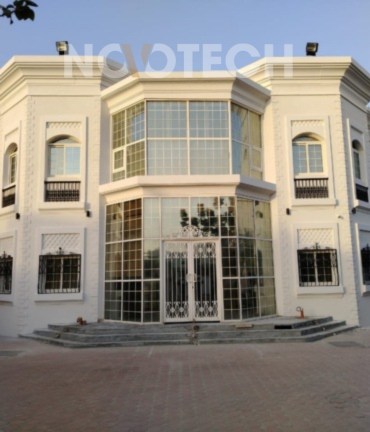
Luxury villa architecture in 2026 emphasizes “integrated excellence” by combining premium off-whites with natural stone textures. This creates a timeless, high-value appearance that aligns with the region’s premium property standards. We often recommend using durable charcoals or deep bronzes for window frames and architectural features to provide sharp contrast. Because these accents cover a limited surface area, they don’t significantly impact the building’s overall thermal load. For owners in the Northern Emirates, our specialized villa painting services Sharjah ensure these complex palettes are applied using climate-resilient formulations that withstand both humidity and heat.
Commercial and High-Rise Palettes
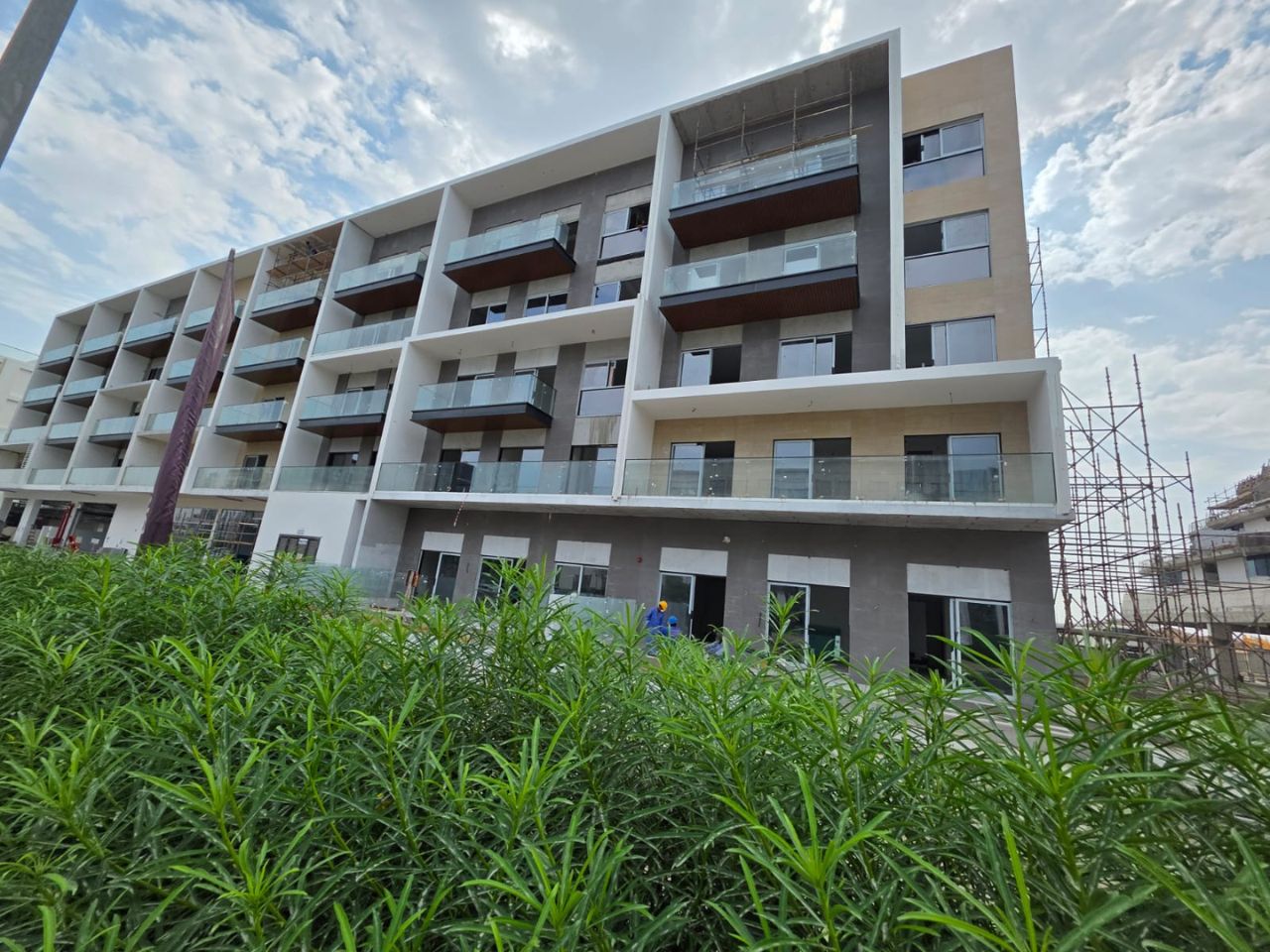
The commercial sector is gravitating toward “Cool Greys” that project a modern corporate identity while actively reflecting solar heat. These engineered shades allow high-rise structures to maintain a sleek, metallic appearance without the heat absorption issues of darker industrial tones. For large-scale projects, our exterior building painting Dubai team utilizes UV-resistant formulations for corporate branding elements. This ensures that even bold logo colours remain vibrant and resist the “chalking” effect mentioned in previous sections. By utilizing these advanced systems, we preserve the asset’s professional image and ensure compliance with the latest facade maintenance standards.

Beyond Pigment: Integrating Protective Systems with Colour
The technical success of a facade project depends on the synergy between the finish coat and the underlying protective systems. While choosing exterior paint colors for UAE climate is a vital aesthetic decision, the longevity of that colour is entirely dependent on the substrate’s integrity. We view paint not as a standalone product but as the final layer of a sophisticated engineering stack. Without high-performance binders and elastomeric properties, even the most expensive pigments will succumb to the hairline cracks caused by the UAE’s extreme thermal cycles. These cracks allow moisture and salts to penetrate the structure, leading to delamination and ruinous aesthetic failure.
Modern protective systems now incorporate anti-dust pickup technology. This innovation is essential for maintaining the brilliance of the high-reflectance “Greiges” and off-whites currently trending in Dubai. By creating a cross-linked chemical bond on the surface, these coatings prevent desert particulate matter from embedding into the paint film. This ensures that light colours remain bright for longer periods, reducing the frequency of abrasive cleaning that can wear down the coating. When we integrate these systems with waterproofing membranes, we create a comprehensive shield that preserves both the structural health and the visual appeal of the asset.
Terraco Application Excellence
As an authorized Terraco applicator with over 30 years of operational history, we specialize in systems designed for 50°C summer peaks and high humidity spikes. Utilizing Terraco EIFS (Exterior Insulation and Finish Systems) provides a significant advantage for colour stability. By insulating the exterior wall, EIFS reduces the temperature fluctuations the paint layer must endure, effectively “locking in” the colour and preventing the thermal shock that leads to fading. This integrated excellence ensures that your investment meets the strict maintenance standards mandated by Dubai Law No. (3) of 2026. Our status as specialists allows us to offer end-to-end responsibility for these complex technical applications.
Surface Preparation: The Invisible Factor
A premium finish is impossible without meticulous surface preparation. We approach every project with a methodology that mirrors a technical installation. Before the first drop of paint is applied, we conduct essential building maintenance, including professional gypsum repairs and structural renovations to address any existing substrate defects. Our teams utilize high-pressure washing and specialized chemical cleaning to achieve a “hospital-clean” surface. This level of precision is mandatory for ensuring maximum adhesion and preventing the chemical reactions that cause discolouration. If you’re looking for a partner to handle large-scale facade transformations, our Terraco application specialists are equipped to manage every stage of the process, from initial substrate rectification to the final protective coating.
The NovoTech Selection Framework: Ensuring Long-Term Durability
Our framework for choosing exterior paint colors for UAE climate prioritizes technical precision and operational longevity over short-term aesthetic trends. We treat every facade project as a complex engineering task, recognizing that the selection process must account for substrate health and environmental variables. We strictly avoid retail-grade paints, which often lack the high-performance binders and UV inhibitors required to survive 50°C summer peaks. Instead, we source engineered coating systems that offer documented performance metrics. This commitment to quality ensures a superior return on investment by extending maintenance cycles and preserving the building’s structural integrity for years to come.
Professional application is the final pillar of our durability framework. While traditional brush and roller methods have their place, we often utilize airless spraying technology for large-scale projects. This technique ensures a uniform film thickness, which is critical for the protective properties of the coating to function correctly. Our 30-year operational history in the UAE has taught us that even the best paint will fail if the application isn’t executed with technical competence. By maintaining end-to-end responsibility for the process, we provide our clients with the confidence that their property is in expert hands.
Digital Colour Visualisation
We eliminate the uncertainty inherent in choosing exterior paint colors for UAE climate by utilizing advanced digital renderings. These mock-ups allow property owners to visualize how different palettes interact with the specific architectural features of their villa or building. It’s important to recognize that the intense light spectrum in Dubai significantly affects colour perception; a shade that looks muted in a showroom can appear vastly different under the midday sun. To ensure absolute accuracy, we complement our digital analysis with “Sample Patch” testing. This involves applying actual material to the facade, allowing us to evaluate real-world performance and aesthetic harmony across different times of day before the full-scale application begins.
Strategic Project Management
Successful execution requires more than just high-quality materials; it demands strategic scheduling. We plan our projects around optimal weather windows, ensuring that humidity levels and ambient temperatures are conducive to proper curing. This attention to detail prevents the premature drying or bubbling that can compromise a finish. Safety remains our primary operational priority, particularly for high-rise building painting and complex villa renovations. Our teams adhere to international safety standards, ensuring that every project is delivered efficiently and without incident. If you’re ready to enhance your property’s value and thermal efficiency, contact NovoTech for a professional colour consultation to discuss your specific requirements.
Engineering Your Property’s Future Value
Selecting the right facade finish is a strategic investment in your building’s lifecycle. We’ve established that choosing exterior paint colors for UAE climate is a task that requires balancing Light Reflectance Values with advanced protective technologies to ensure compliance with modern thermal standards. By prioritizing inorganic pigments and anti-dust pickup systems, you protect your asset from the inevitable degradation caused by intense UV exposure and abrasive desert sand.
NovoTech brings 30+ years of regional experience and the technical precision of an authorized Terraco applicator to every project. Our expertise in UAE-specific thermal coatings ensures that your villa or high-rise remains energy-efficient and aesthetically superior, even during extreme summer peaks. We don’t just apply paint; we integrate protective systems that extend maintenance intervals and lower operational costs. Take the first step toward a more durable, thermally efficient property today.
Request a Professional Exterior Painting Quote from NovoTech and leverage our engineering-led approach to facade management.
Frequently Asked Questions
What is the best exterior colour for a villa in Dubai to reduce heat?
Light-coloured finishes with high solar reflectance are the most effective for heat reduction. When choosing exterior paint colors for UAE climate, we recommend off-whites, light beiges, or modern “Greiges.” These shades reflect a significant portion of solar radiation, keeping the substrate cooler. This technical choice is essential for meeting the Al Sa’fat Green Building System requirements in Dubai, which prioritize energy efficiency and reduced thermal transmittance through the building envelope.
Does dark exterior paint really increase my AC bills in the UAE?
Yes, dark pigments significantly increase thermal gain by converting UV radiation into heat. This energy is transferred through the walls, raising indoor temperatures and forcing HVAC systems to work harder. In Dubai’s urban environment, this contributes to the heat island effect. Selecting reflective colours can reduce surface temperatures by up to 15°C, leading to measurable reductions in monthly electricity consumption and extending the operational lifespan of your cooling equipment.
How often should I repaint my building exterior in the UAE climate?
Maintenance cycles vary based on the quality of the protective system applied. While standard retail paints may require refreshing every 3 to 5 years, high-performance systems applied by specialists can last 7 to 10 years. Under Dubai Law No. (3) of 2026, building owners must maintain facade quality to obtain safety certificates. We recommend regular inspections to address minor issues before they necessitate a full structural renovation or costly repainting project.
What is LRV and why should I care when choosing paint?
Light Reflectance Value (LRV) measures the percentage of light a colour reflects versus absorbs. On a scale of 0 to 100, higher numbers indicate better heat rejection. When choosing exterior paint colors for UAE climate, aiming for an LRV above 50 is a strategic decision. It prevents the thermal expansion and contraction that causes micro-cracking in masonry, ensuring that the protective coating remains bonded to the substrate despite extreme temperature fluctuations.
Can I use interior paint for my villa exterior if it is a specific shade I like?
No, interior paint isn’t formulated to withstand the environmental stressors of the Middle East. It lacks the UV inhibitors, anti-fungal properties, and robust binders found in exterior-grade protective systems. Using interior products on a villa facade will result in rapid pigment breakdown, chalking, and peeling within months. For durable results, we utilize climate-resilient formulations that are specifically engineered to resist the combined impact of high heat, humidity, and wind-borne sand.
How do I prevent my exterior paint from fading in the UAE sun?
Preventing UV degradation requires the use of inorganic pigments and high-performance binders. Unlike organic dyes, mineral-based pigments are chemically stable and don’t break down under intense solar radiation. Additionally, integrating anti-dust pickup technology prevents particulate matter from embedding in the paint film, which can cause dulling. As authorized Terraco applicators, we use systems that encapsulate pigments in a UV-resistant matrix, ensuring that your facade maintains its original shade for several years.
Are there specific colour regulations for buildings in Dubai?
Yes, the Dubai Municipality and specific community developers like Emaar or Nakheel often enforce strict colour palettes. These regulations ensure architectural harmony and compliance with safety standards. Certain districts may require specific shades to maintain a cohesive urban aesthetic. We recommend consulting with a professional firm that understands these local mandates to ensure your project receives the necessary approvals and meets the mandatory quality standards established for the 2026 regulatory environment.
Why should I hire a professional instead of doing DIY painting in the UAE?
Professional application ensures technical precision that DIY methods cannot match. We utilize airless spraying technology and rigorous surface preparation, including pressure washing and structural repairs, to guarantee maximum adhesion. Retail-grade tools often result in uneven film thickness, leading to premature failure in the UAE’s harsh climate. With over 30 years of experience, we provide a level of expertise and long-term warranty support that protects your investment and ensures structural durability.