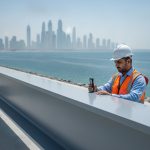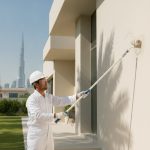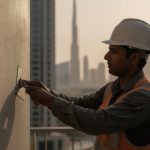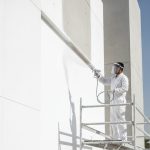
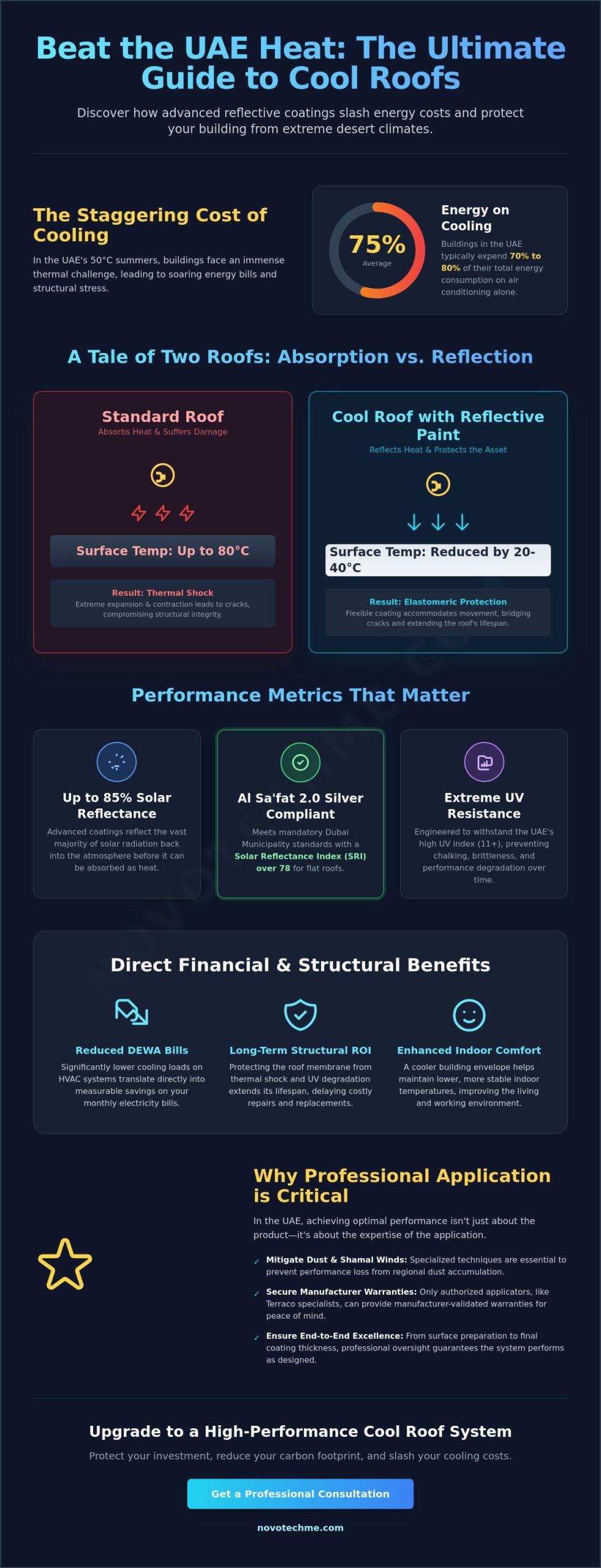
Did you know that buildings in the UAE typically expend 70% to 80% of their total energy on cooling? This staggering figure isn’t just a matter of comfort; it’s a significant financial burden for property owners facing the reality of 50°C summers. You’ve likely noticed that even when your AC runs at full capacity, indoor temperatures remain high while your electricity bills continue to soar. We understand the frustration of managing these rising costs while trying to protect your assets from the harsh effects of thermal shock.
This guide provides a comprehensive look at how professional heat reflective paint for roofs UAE serves as a critical infrastructure upgrade rather than a simple cosmetic choice. You’ll learn how advanced solar-reflective coatings can slash surface temperatures by up to 30°C and help you achieve the mandatory Al Sa’fat 2.0 Silver energy ratings. We’ll explore the technical integration of high-performance systems like Terraco Flexicoat and explain how these solutions extend the lifespan of your roof membrane while delivering measurable energy savings.
Key Takeaways
- Understand the critical distinction between traditional insulation and high-SRI solar reflectance required by the UAE’s Al Sa’fat 2.0 Silver rating standards.
- Evaluate how the elastomeric properties of heat reflective paint for roofs UAE protect structural integrity by accommodating extreme thermal expansion in 50°C climates.
- Analyze the direct financial impact of reduced cooling loads on DEWA bills and the long-term ROI of implementing professional-grade protective painting systems.
- Identify why specialized application techniques are essential to mitigate the performance loss caused by dust accumulation and regional Shamal wind conditions.
- Learn the advantages of engaging authorized Terraco application specialists to secure manufacturer-validated warranties and ensure end-to-end project excellence.
The Science of Solar Reflectance in the UAE Climate
We recognize that in the Arabian Peninsula, a roof is more than a structural enclosure; it’s the primary point of thermal entry for any building. Traditional insulation functions by slowing the conduction of heat through building materials, essentially trapping energy within the slab. In contrast, heat reflective paint for roofs UAE utilizes advanced solar-reflective technology to prevent heat absorption before it enters the building’s envelope. By reflecting up to 85% of solar radiation back into the atmosphere, these systems reduce the cooling load on HVAC units, which often account for the vast majority of energy consumption in regional commercial and residential sectors.
Understanding The Science of Solar Reflectance requires a shift from viewing the roof as a passive shield to an active thermal radiator. While standard coatings absorb the intense UV radiation typical of Dubai’s climate, specialized solar coatings utilize high-performance pigments to stay cool. This is particularly vital in mitigating the Urban Heat Island effect, where concentrated heat absorption in built-up areas like Downtown Dubai or Sharjah increases ambient temperatures. When individual buildings optimize their reflectance, they contribute to a cooler microclimate and reduced energy demand across the entire grid.
The UAE’s high UV index, which frequently peaks at 11 or higher, accelerates the chemical degradation of standard roof paints. Photochemical reactions break down the polymer chains in lower-quality coatings, leading to chalking, brittleness, and eventual failure. We specify high-performance protective painting systems that are engineered to withstand this extreme irradiance, ensuring that the reflective properties remain intact over long-term exposure cycles.
Solar Reflectance Index (SRI) Explained
The Solar Reflectance Index (SRI) is the standard metric used to evaluate a material’s ability to stay cool in the sun. It combines two critical factors: solar reflectance, the ability to bounce away light, and thermal emittance, the efficiency with which a surface sheds absorbed heat. As of 2026, Dubai Municipality’s Al Sa’fat 2.0 Silver rating has become the mandatory baseline for new permits, requiring a maximum U-value of 0.30 W/m²K for roofs. These updated standards prioritize coatings with SRI values above 78 for flat roofs, ensuring that buildings meet rigorous sustainability and energy-efficiency targets.
Thermal Shock and Structural Integrity
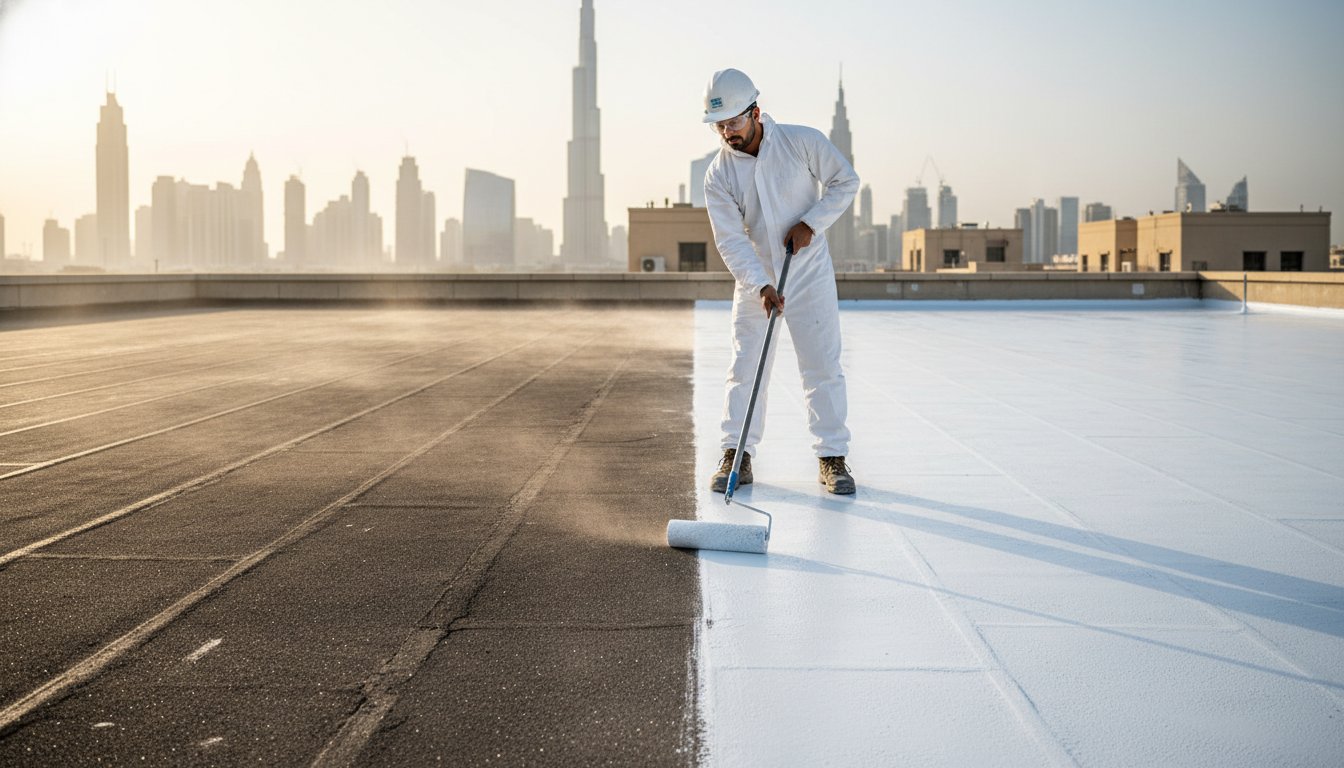
UAE concrete structures are subject to extreme diurnal temperature swings, where roof surfaces can fluctuate by as much as 50°C between the midday sun and the cooler desert nights. This constant cycle of expansion and contraction puts immense pressure on the roof’s structural integrity. By applying heat reflective paint for roofs UAE, we can reduce surface temperatures by 20°C to 40°C, significantly narrowing these temperature swings. Thermal shock refers to the structural stress caused by rapid temperature fluctuations that force concrete to expand and contract at different rates, resulting in hairline fractures and compromised roof integrity in the UAE climate. Utilizing elastomeric coatings allows the surface to breathe and stretch, providing a durable barrier that protects against these inevitable movements.
Key Performance Metrics: Why Terraco Flexicoat Thermo Leads
Terraco Flexicoat Thermo represents a significant advancement in material science specifically tailored for the Gulf region’s extreme conditions. While standard coatings provide basic aesthetic coverage, this system is engineered as a high-performance thermal shield. The primary objective of heat reflective paint for roofs UAE is to maintain low surface temperatures even when ambient heat exceeds 45°C. To achieve this, the coating must possess both high UV reflection and superior UV resistance. Reflection prevents initial heat absorption; resistance ensures the polymer structure doesn’t break down under the intense Arabian sun over multiple seasons.
We’ve observed that standard acrylic paints often fail within two years due to a lack of elasticity. Terraco’s elastomeric properties allow the film to stretch and contract without cracking. This flexibility is vital for bridging hairline cracks that form during intense diurnal temperature cycles. It essentially allows the building’s exterior to “breathe” while maintaining a seamless, protective envelope. Data from regional implementations shows that these systems can reduce roof surface temperatures by 20°C to 40°C, leading to substantial energy bill savings by reducing the cooling load on internal HVAC systems.
The Technology of Ceramic Microspheres
The technical superiority of this coating lies in the integration of vacuum-hollowed ceramic microspheres. These microscopic components create a dense thermal barrier that disrupts the conduction of heat through the substrate. Unlike traditional pigments that merely scatter visible light, these spheres act as miniature insulators at the surface level. This technology, combined with high-density cross-linking polymers, creates a durable finish that outperforms basic acrylics. It ensures the coating remains effective even as the building ages, providing a long-term return on investment for commercial and residential property owners.
Adhesion and Weatherproofing Capabilities
In the coastal environments of Dubai and Sharjah, salt air and high humidity present additional structural challenges. A premium heat reflective paint for roofs UAE must also function as a secondary waterproofing membrane. This dual-purpose role is critical for protecting against carbonation and chloride ion attacks, which are the leading causes of rebar corrosion in concrete structures. Whether applied to bitumen, metal, or concrete, the adhesion strength remains consistent. To ensure these technical specifications are met, we recommend engaging Terraco application specialists who understand the precise thickness requirements for maximum thermal efficiency.
Cost-Benefit Analysis: DEWA Savings and Structural ROI
We view the application of heat reflective paint for roofs UAE as a strategic capital investment rather than a maintenance expense. The most immediate return on investment manifests in the optimization of HVAC performance. By reflecting up to 85% of solar radiation, these high-performance systems drastically reduce the thermal load on the building envelope. This directly influences the operational efficiency of air conditioning units. Instead of running continuously at peak capacity, compressors experience fewer start-stop cycles. This not only lowers energy consumption but also extends the operational lifespan of expensive cooling infrastructure by reducing mechanical fatigue and overall wear.
Calculating the payback period for a professional roof coating project in Dubai involves analyzing both direct and indirect savings. When a surface temperature drops by 20°C to 40°C, the heat flux into the building decreases significantly. This reduction allows for the potential downsizing of HVAC equipment during renovation phases, providing further capital savings. Additionally, individual building improvements aggregate to reduce the urban heat island effect, which is essential for sustainable development in densely populated areas like Dubai and Sharjah. By lowering the ambient temperature around rooftop AC intakes, the units operate in a more favorable environment, further boosting their efficiency.
Energy Bill Reduction in the UAE
The financial impact of solar-reflective technology is measurable and significant. Research indicates that the implementation of cool roof technology can lead to a reduction in air conditioning costs by up to 30%. This is particularly vital in a region where cooling accounts for 70% to 80% of a building’s total energy expenditure. A 10°C reduction in roof surface temperature can lead to a noticeable drop in indoor “felt” temperature, which allows property managers to maintain comfort levels without overworking the cooling system. Middle Eastern studies confirm that effective cool roofs achieve an average energy saving of 15% to 30% depending on the building’s existing insulation levels.
Asset Value and Longevity
Beyond utility savings, these coatings serve as a critical sacrificial layer against intense UV radiation. This shielding prevents the “baking” effect that typically degrades structural concrete and reinforcing steel over time. High-performance protective systems reduce the frequency of exterior building painting cycles by maintaining color stability and substrate integrity. Properties that incorporate these advanced materials often see enhanced valuations due to alignment with LEED standards and the mandatory Al Sa’fat 2.0 Silver energy ratings. Protecting the roof membrane from thermal shock ensures that the building’s core assets remain secure for decades, avoiding the high costs of premature structural repairs.
Professional Application and the Dust Challenge
The technical efficacy of any high-performance solar-reflective system is inextricably linked to the precision of its installation. While many property owners view heat reflective paint for roofs UAE as a simple commodity, it’s actually a multi-layered engineered system. DIY attempts often result in failure because they overlook critical variables like substrate moisture content and humidity timing. Applying coatings during periods of high humidity or extreme surface heat can compromise the chemical bond, leading to premature delamination and a total loss of thermal efficacy. We ensure that application occurs within the optimal environmental windows to guarantee long-term adhesion.
Dust accumulation presents a formidable challenge in the Arabian Peninsula. Shamal winds carry fine particulate matter that settles on roof surfaces, creating a dark layer that absorbs rather than reflects solar energy. Research indicates that dust can reduce the efficiency of solar-reflective surfaces significantly; even small amounts of accumulation can lead to measurable performance loss. We mitigate this by utilizing application techniques that result in a high-density, smooth finish, which minimizes the mechanical keying of dust particles. This professional approach ensures that the coating maintains its high Solar Reflectance Index (SRI) even in the face of regional sandstorms.
The Professional Application Process
- Step 1: Deep Cleaning and Substrate Repair: We utilize high-pressure washing to remove salt deposits, industrial pollutants, and loose debris. This step is vital to ensure zero contaminants remain between the substrate and the new coating.
- Step 2: Specialized Primer Application: Using the correct primer prevents peeling and bubbling. We select bonding agents specifically designed for the UAE’s concrete or bitumen substrates to create a permanent chemical bridge.
- Step 3: Multi-Directional Coating: Achieving the specified Dry Film Thickness (DFT) is non-negotiable for thermal insulation. We apply multiple layers in cross-hatch patterns to ensure uniform protection and a seamless finish across the entire surface.
Maintenance: Keeping the Reflectivity High
A “set and forget” mentality leads to diminished returns over time. Periodic maintenance is essential for preserving the building’s energy-saving potential. In the UAE climate, we recommend a semi-annual cleaning schedule to remove desert silt and maintain the coating’s original reflectance values. Modern 2026 formulations often incorporate photocatalytic properties that help break down organic pollutants, but manual rinsing remains the most effective way to restore peak performance. To ensure your asset remains protected and energy-efficient, we recommend engaging our team of Terraco application specialists for a comprehensive roof inspection and maintenance plan.
NovoTech: Authorized Terraco Applicators in the UAE
We’ve spent over three decades establishing ourselves as a premier technology integrator in the regional construction sector. Our role as authorized Terraco application specialists ensures that every project involving heat reflective paint for roofs UAE meets the stringent quality benchmarks set by global manufacturers. This status isn’t merely a title; it’s a guarantee that our technical teams are trained in the latest application methodologies and material sciences. By engaging an authorized partner, property owners secure manufacturer-backed warranties that retail-grade or DIY applications simply cannot provide.
Our expertise extends beyond simple coatings to include specialized anti-corrosive paint in the UAE for industrial assets and high-performance epoxy floor coating systems. This broad technical portfolio allows us to handle complex, large-scale projects with a focus on integrated excellence. We remain committed to supporting Dubai’s 2030 sustainability goals by providing infrastructure upgrades that measurably reduce carbon footprints and energy demand across the Emirates. Our operational history reflects a culture of precision and reliability that corporate clients trust for their most critical assets.
Why Choose NovoTech for Your Roof Project?
- Technical Versatility: We possess the specialized equipment and safety protocols required for both high-rise commercial towers and bespoke luxury villas across the UAE.
- Strategic Partnerships: Our direct collaboration with industry leaders like Terraco ensures we use authentic, high-SRI formulations specifically engineered for the Middle Eastern climate.
- Total Project Ownership: We manage the entire lifecycle of the installation, from the initial substrate survey to the final quality inspection, ensuring end-to-end accountability.
Get Started with a Professional Thermal Audit
Before any application begins, we conduct a detailed thermal audit using advanced infrared imaging technology. This process identifies specific heat leakages and thermal bridges on your roof that standard visual inspections often miss. Based on these findings and your building’s solar orientation, we develop customized coating specifications to maximize energy efficiency and structural protection. We invite you to request a professional roof survey and heat-reflective quote to begin your transition toward a more sustainable, cost-effective property management model.
Future-Proofing Your Assets for the 2026 Energy Standards
Adopting heat reflective paint for roofs UAE represents a definitive shift toward sustainable and cost-effective property management. We’ve detailed how solar-reflective technology serves as a critical barrier against 50°C temperatures, reducing cooling loads by up to 30% while preventing structural degradation from thermal shock. By aligning your building with the latest Al Sa’fat 2.0 Silver ratings, you’re securing long-term asset value and operational stability in an increasingly demanding climate.
Our position as an Authorized Terraco Applicator, backed by over 30 years of UAE experience, ensures that your project is handled with technical precision. We specialize in high-rise and villa protection, providing the end-to-end expertise necessary to navigate complex infrastructure requirements. We’re ready to help you optimize your building’s thermal performance and reduce energy expenditures. Secure Your Building Against the UAE Heat – Get a Quote from NovoTech. Let’s begin the process of upgrading your roof to a modern, energy-saving shield.
Frequently Asked Questions
Does heat reflective paint really work in the UAE’s 50°C summer?
Yes, advanced solar-reflective coatings are specifically engineered to perform under extreme ambient temperatures. By utilizing vacuum microspheres and high-SRI pigments, these systems can lower roof surface temperatures by 20°C to 40°C compared to untreated substrates. This temperature reduction significantly diminishes the thermal energy transferred into the building structure, ensuring indoor environments remain manageable even when external conditions reach peak summer levels.
How much can I save on my DEWA bill with a cool roof coating?
Property owners can achieve a reduction in air conditioning costs by up to 30% through the implementation of cool roof technology. Since cooling typically accounts for 70% to 80% of total building energy consumption in the UAE, the financial impact is substantial. These savings result from the reduced operational load on HVAC compressors, which no longer need to run at maximum capacity to counteract heat ingress.
Is heat reflective paint different from standard white paint?
Heat reflective coatings differ fundamentally from standard white paint due to their high Solar Reflectance Index (SRI) and elastomeric composition. While basic white paint provides minimal thermal protection, specialized heat reflective paint for roofs UAE incorporates ceramic microspheres that block infrared radiation. Additionally, these professional systems are designed to stretch and contract with the building, whereas standard paints often crack and peel under thermal stress.
How long does a professional heat reflective coating last in Dubai?
A professionally applied coating system typically maintains its performance for 5 to 10 years, depending on environmental exposure and maintenance levels. High-performance protective systems are engineered to withstand intense UV irradiation without degrading. Regular inspections and cleaning cycles help preserve the coating’s original reflectivity, ensuring the structural and financial benefits persist throughout the material’s service life.
Can heat reflective paint be applied over existing roof waterproofing?
These coatings are compatible with most existing roof substrates, including bitumen, concrete, and metal membranes, provided the surface is structurally sound. We conduct thorough site surveys to ensure proper adhesion between the new thermal layer and existing waterproofing. In many cases, the reflective coating acts as a secondary protective shield, extending the lifespan of the underlying membrane by preventing UV-induced brittleness and thermal cracking.
Does dust accumulation stop the paint from reflecting heat?
Dust and particulate accumulation can reduce the Solar Reflectance Index over time, but it doesn’t render the system ineffective. Research conducted in the region highlights that regular maintenance is necessary to maintain peak efficiency. We recommend a semi-annual rinsing schedule to remove desert silt and industrial pollutants, which ensures the microspheres can continue to reflect solar radiation at their maximum designed capacity.
What is the best time of year to apply roof coatings in the UAE?
The optimal period for applying heat reflective paint for roofs UAE is between October and April when ambient temperatures and humidity levels are moderate. Applying coatings during these months ensures the material cures correctly without the risk of flash-drying in extreme heat. However, our technical teams monitor environmental conditions daily to identify suitable application windows throughout the year, ensuring every installation meets manufacturer specifications.
Is heat reflective paint suitable for both residential villas and commercial warehouses?
Solar-reflective technology is highly effective for both luxury residential villas and large-scale commercial warehouses. In residential settings, it enhances indoor comfort and reduces utility costs. For industrial warehouses, particularly those without active cooling, it significantly lowers internal temperatures to protect sensitive inventory and improve worker safety. We customize our protective painting systems to meet the specific structural requirements of each building type.