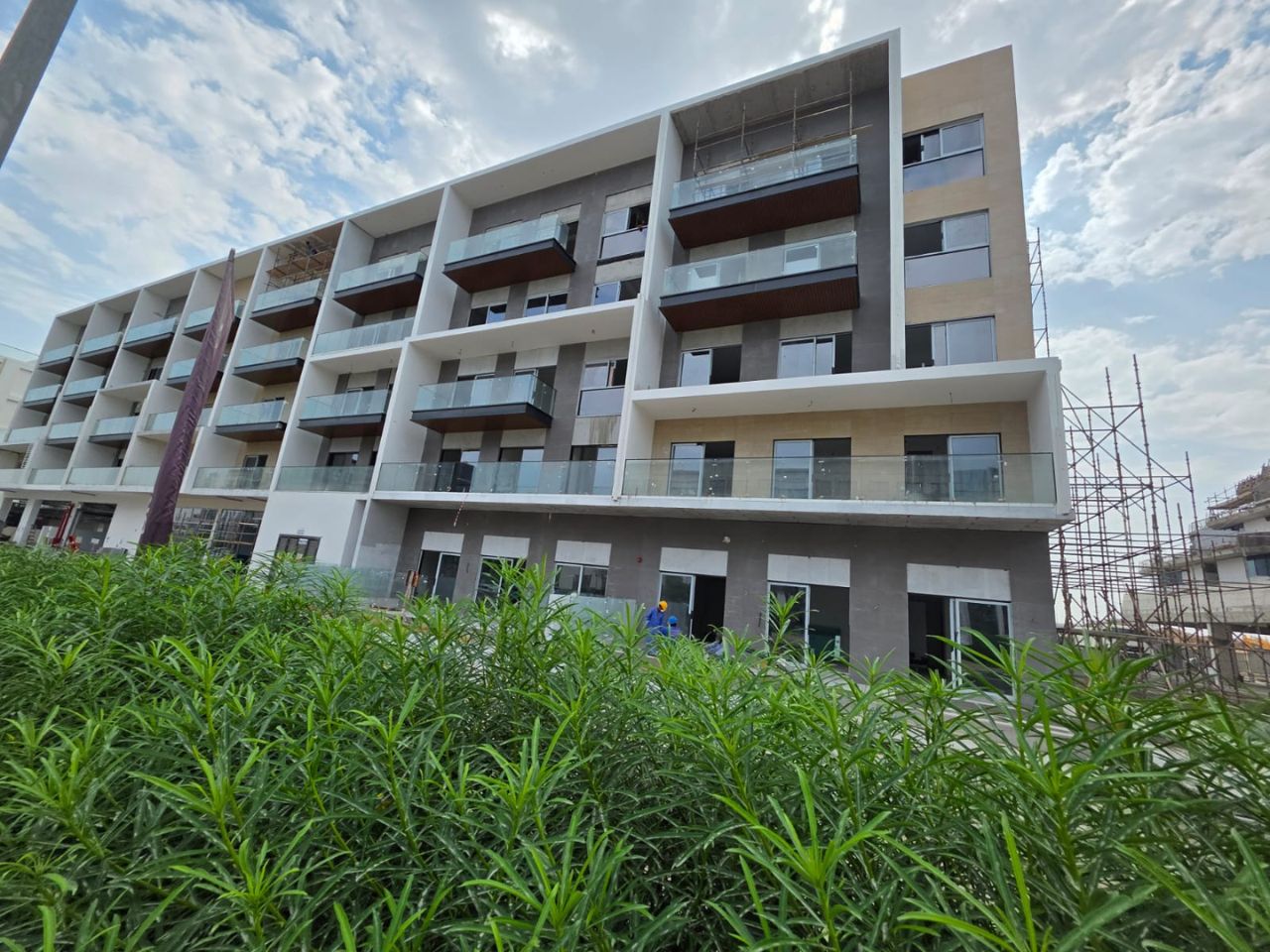
Applying standard decorative paint to a commercial property in the UAE isn’t just an aesthetic compromise; it is an immediate financial liability. When building envelopes confront intense Gulf solar radiation, cyclical thermal expansion, and coastal salinity, conventional paints quickly degrade. Investing in engineered protective facade coatings Dubai architects and asset managers specify is essential to prevent premature delamination, chalking, and persistent hairline cracking across concrete substrates.
We recognize how frustrating it is to manage repetitive repainting cycles that drain operational budgets without delivering lasting structural defense. You need a durable solution built specifically for the regional climate. Discover how advanced protective facade coatings shield Dubai buildings from extreme heat, UV radiation, and coastal salinity while lowering building cooling loads through high Solar Reflectance Index properties. Ahead, we examine the performance criteria required for multi-year envelope durability and explain how partnering with an approved applicator guarantees warranty compliance and flawless execution.
Key Takeaways
- Discover why engineered protective facade coatings Dubai structures require outperform standard paint systems against severe heat, concrete movement, and coastal salt attacks.
- Compare the distinct advantages of elastomeric acrylics, siloxanes, and anti-carbonation chemistries to identify the ideal barrier for your building envelope.
- Evaluate critical performance specifications like crack-bridging capacity and Solar Reflectance Index (SRI) ratings that actively reduce indoor cooling demands.
- Review the five-stage surface remediation and technical application protocol required to guarantee envelope adhesion on commercial and high-rise properties.
- Understand the vital operational distinction between general painters and authorized technical applicators for securing comprehensive manufacturer-backed warranties.
What Are Protective Facade Coatings and Why Does Dubai Demand Them?
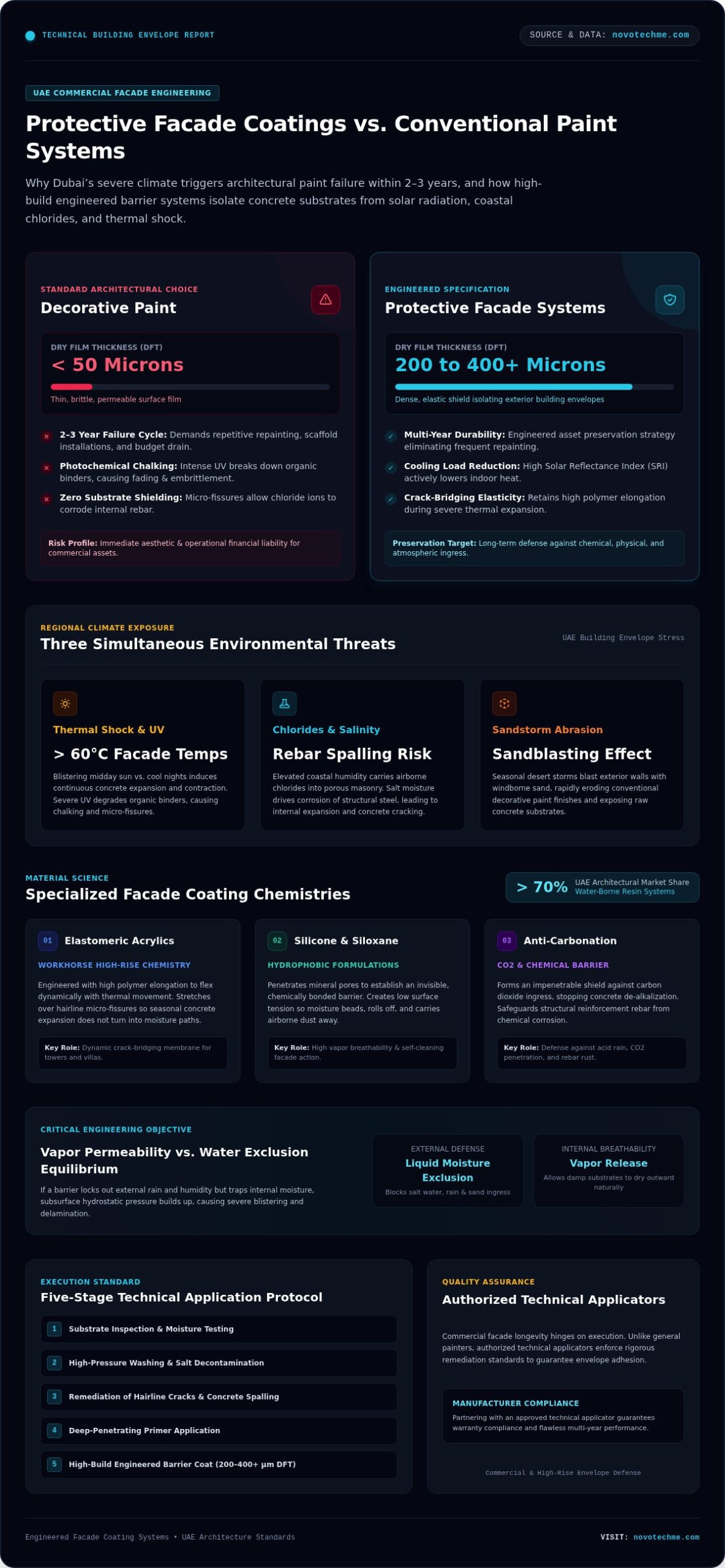
Protective facade coatings are specialized, liquid-applied barrier systems engineered to safeguard structural masonry and concrete from aggressive environmental degradation. Unlike standard decorative paint, which forms a brittle, permeable film often measuring less than 50 microns, high-build protective systems create an elastic, dense shield that frequently exceeds 200 to 400 microns dry film thickness. This robust layer isolates the exterior building envelope from chemical, physical, and atmospheric ingress. For commercial property owners, specifying advanced protective facade coatings Dubai environments require transforms exterior finishing from a recurring cosmetic fix into a long-term asset preservation strategy.
Relying on conventional architectural paint across UAE commercial developments invariably triggers envelope failure within two to three years. These rapid failure cycles demand frequent scaffolding installations, disrupt daily operations, and inflate operational budgets without solving the underlying structural vulnerabilities. In the Gulf, building envelopes confront three destructive environmental forces simultaneously.
Thermal Expansion Shock and Intense UV Radiation
Direct summer sunlight regularly pushes Dubai exterior facade temperatures past 60 degrees Celsius. As surfaces fluctuate between blistering midday heat and cooler overnight temperatures, concrete substrates undergo continuous thermal expansion and contraction cycles. Standard paints don’t have the tensile elasticity to flex alongside this movement, leading to micro-fissures. At the same time, severe ultraviolet radiation breaks down standard organic binders, causing rapid photochemical chalking, color fading, and film embrittlement.
Marine Salts, Humidity, and Windborne Sand Abrasion
Dubai’s coastal conditions combine elevated relative humidity with heavy concentrations of airborne chlorides. Porous concrete surfaces readily absorb this salt-laden moisture, which drives chloride ions straight toward internal steel reinforcement. As the rebar corrodes and expands, it exerts outward pressure that cracks and spalls the surrounding concrete. Additionally, seasonal desert sandstorms create a natural sandblasting effect against exterior walls, quickly eroding standard decorative finishes and leaving structural substrates completely exposed.
Comparing Facade Coating Chemistries for UAE Building Envelopes
No single coating formulation addresses every structural demand across the Emirates. Selecting the right system requires balancing mechanical elasticity, chemical resistance, and breathability against specific exposure risks. In the UAE’s architectural sector, water-borne systems account for over 70% of the market, led by acrylic resin technologies prized for their versatility. However, engineering an envelope against premature degradation demands evaluating how different chemistries behave when exposed to extreme marine and desert conditions.
A critical engineering objective is achieving equilibrium between liquid water exclusion and vapor permeability. If a barrier locks out rain and humidity but traps internal moisture, hydrostatic pressure causes blistering and delamination. Specifying high-performance protective coatings ensures exterior walls release trapped water vapor while deflecting external moisture, keeping building envelopes sound across seasonal extremes.
Elastomeric Acrylic and Crack-Bridging Membranes
Elastomeric acrylics represent the workhorse chemistry for high-rise residential towers and villas. These coatings feature high polymer elongation, allowing the dried film to stretch and bridge dynamic hairline fissures as concrete expands and contracts. Because they retain elasticity across significant temperature shifts, they prevent seasonal thermal cracking from turning into moisture pathways.
Silicone and Siloxane Hydrophobic Formulations
Silicone and siloxane-modified systems penetrate mineral pores to form an invisible, chemically bonded hydrophobic barrier. They allow superior water-vapor transmission, letting damp substrates dry outward naturally. Because they create low surface tension, wind-driven moisture beads up and rolls off, carrying away airborne dust to minimize facade staining over time.
Anti-Carbonation Coatings and Polyurethane Barriers
Anti-carbonation systems are cross-linked barriers engineered to block atmospheric carbon dioxide (CO2) from neutralizing the alkalinity of reinforced concrete. When urban CO2 penetrates masonry, it destroys the protective passivation layer around internal steel. Polyurethanes add exceptional chemical resistance and sand abrasion defense, making them vital for coastal high-rises and transit infrastructure. For envelope projects requiring specialized metal element shielding alongside masonry, integrating anti-corrosive paint uae solutions secures full asset protection.
When organizing a multi-story upgrade or remediation plan, consulting an experienced team for exterior building painting dubai projects ensures your engineering team specifies the right chemistry for long-term facade integrity. If you’re planning a refurbishment, discuss your substrate challenges with our technical specialists at NovoTech to match the ideal protective formulation to your structure.
Essential Technical Criteria for Selecting Facade Systems
Specifying high-durability coatings requires quantifiable performance criteria rather than marketing claims. Commercial facility managers must evaluate lab-validated data sheets to ensure long-term substrate defense. Key mechanical properties include tensile elongation exceeding 300% to bridge dynamic fissures, cross-hatch adhesion ratings above 1.5 MPa on prepared concrete, and proven chloride ion penetration resistance. When engineering a building envelope, these technical metrics must align with wider structural defense strategies, linking wall coatings seamlessly with specialized waterproofing companies in dubai to eliminate water entry paths from roof parapets to foundation levels.
Modern regulatory mandates also dictate material selection across the UAE. Dubai’s Green Building Regulations (Al Sa’fat) require low-VOC formulations to protect urban air quality, setting architectural coating thresholds between 30 and 100 g/L while prohibiting residential products exceeding 250 g/L. The Ministry of Industry and Advanced Technology standards mandate strict chemical compliance across commercial materials. Beyond safety guidelines, three engineering criteria determine long-term facade performance.
Solar Reflectance Index (SRI) and Energy Efficiency
Solar Reflectance Index (SRI) measures a coating’s ability to reject solar heat and release absorbed thermal energy. Formulations with high SRI ratings drop external wall temperatures by up to 15 degrees Celsius during peak summer. This reduction curbs internal heat transfer, significantly lowering HVAC electrical loads and cutting operating utility expenses for commercial properties.
Dirt Pick-Up Resistance (DPUR) in Dusty Environments
Standard architectural paints often soften under extreme Gulf heat. This thermoplastic softening allows airborne sand, soot, and desert dust to weld into the polymer matrix. High-performance protective facade coatings Dubai specifiers select utilize advanced cross-linking resins. These polymers cure into a tight, hard exterior film that prevents particulate embedment, allowing rain and routine washing to rinse away dust without abrasive scouring.
Vapor Permeability and Moisture Management
While facade coatings must create an impermeable barrier against wind-driven sea spray, they cannot trap interior vapor. Buildings generate substantial internal moisture through occupancy and cooling condensation. High-performance systems deliver an optimal balance: a dense liquid water barrier combined with an equivalent air layer thickness (Sd-value) below 1 meter, letting trapped internal moisture escape without blistering the film.
Professional Facade Coating Application: Step-by-Step Execution
Even the most advanced polymer chemistry fails prematurely without rigorous substrate preparation. Across commercial developments, premature coating detachment rarely stems from material formulation errors; it happens because installers rush surface preparation or misjudge regional climate constraints. Successfully applying protective facade coatings Dubai towers require demands strict adherence to a disciplined, multi-stage protocol. Application teams must navigate narrow environmental windows, avoiding midday ambient heat spikes and direct solar exposure that can flash-dry liquid barriers before proper film cohesion takes place.
A successful technical rollout depends on an end-to-end operational sequence divided into two critical project stages.
Phase 1 & 2: Substrate Remediation and Surface Preparation
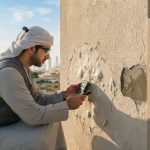
Technicians begin by pressure washing concrete facades at 2,500 to 3,500 PSI to strip away windborne particulates, surface salts, and chalking residue. Next, structural defects undergo remediation. Crews rout active cracks, patching them with polymer-modified repair mortars engineered to handle dynamic thermal expansion. Technicians then verify that substrate moisture levels register below 4% using calibrated electronic moisture meters, preventing trapped water from causing future blistering.
Phase 3, 4 & 5: Priming, Application, and Quality Inspection
Once the masonry dries thoroughly, crews apply deeply penetrating primers to stabilize chalky concrete and equalize surface porosity. Installers then deposit the protective coating system using specialized airless sprayers or heavy nap architectural rollers, building the required film profile over multiple controlled coats. Quality control specialists continuously monitor progress with precision comb gauges and digital micrometers to guarantee strict Dry Film Thickness (DFT) compliance:
- Substrate Neutralization: Verifying surface pH measures between 7 and 9 before primer deployment.
- Wet Film Thickness (WFT) Verification: Real-time gauge checks during application to ensure even film distribution.
- Dry Film Thickness (DFT) Auditing: Non-destructive magnetic or ultrasonic film testing to validate specified protective barrier depth.
- Cross-Hatch Adhesion Checks: Mechanical pull-off testing to ensure the cured membrane permanently bonds to the substrate.
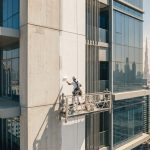
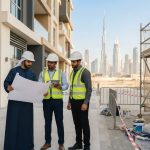
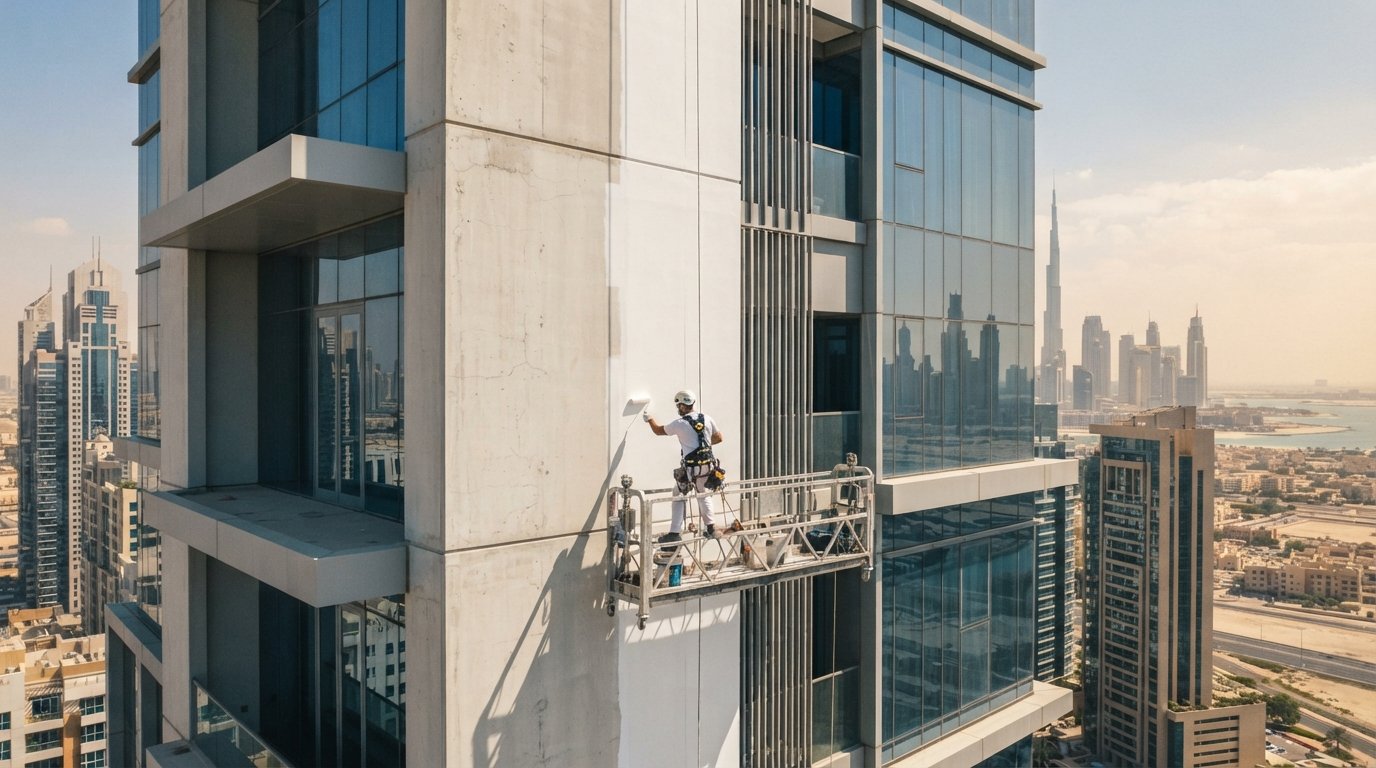
Executing high-rise envelope remediation safely requires coordinated staging, suspended cradle platforms, and certified technicians. To ensure your building envelope meets rigid regional quality standards without operational delays, schedule an exterior technical assessment with NovoTech today.
Why Specialist Applicators Matter: Securing Long-Term Warranty and Value
General commercial painting contractors typically focus on rapid aesthetic coverage using basic rolling techniques. In contrast, applying the engineered protective facade coatings Dubai towers depend upon requires structural engineering discipline, specialized equipment, and direct manufacturer accountability. When building owners treat technical envelope preservation like standard redecoration, they risk premature delamination, compromised thermal defense, and voided material performance guarantees.
Authorized Applicator Partnerships and Manufacturer Guarantees
Leading material manufacturers don’t grant comprehensive multi-year system warranties to uncertified contractors. Global coating producers require high-build elastomeric, siloxane, and anti-carbonation barriers to be installed strictly by approved partners who submit to rigorous technical audits. This certification confirms that technicians understand critical cure rates, chemical compatibility, and precise film profiling.
As an authorized Terraco applicator with over 30 years of UAE commercial and residential project execution since 1993, NovoTech undergoes continuous technical evaluation on advanced architectural coating systems. This formal accreditation guarantees correct substrate priming, verified wet-to-dry film depth, and permanent interlayer adhesion. It bridges the gap between laboratory formulation and jobsite execution, securing enforceable, manufacturer-backed warranties that safeguard your capital investment.
End-to-End Project Safety and Maintenance Planning
Deploying technical coatings across high-rise envelopes introduces complex access logistics. Specialized technical applicators deliver turnkey capability, orchestrating suspended cradle platforms, mast climbers, and structural access while maintaining complete compliance with Dubai Municipality safety codes. This end-to-end management eliminates operational friction and protects building occupants throughout the project lifecycle.
Preserving envelope durability also requires structured post-application care. When the protective facade coatings Dubai properties rely on are paired with proactive lifecycle management, their functional service life extends significantly. Facility managers should establish simple preventative protocols:
- Bi-Annual Envelope Inspections: Inspecting structural joints, parapets, and high-exposure elevations for signs of micro-settlement or sealant fatigue.
- Seasonal Low-Pressure Rinsing: Washing exterior surfaces after major sandstorm cycles to clear accumulated salt crystals without abrading the protective finish.
- Drainage and Parapet Audits: Ensuring roof rainwater outlets and scuppers remain clear so standing water doesn’t cascade down facade walls.
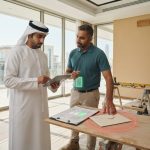
Taking a planned, project-based approach to exterior preservation prevents minor environmental wear from escalating into expensive concrete repairs. To evaluate your envelope condition or plan a comprehensive restoration, schedule an expert site assessment with NovoTech for reliable building protection.
Secure Your Building Envelope Against Gulf Climatic Extremes
Safeguarding commercial real estate against severe solar radiation, humidity, and coastal chlorides requires moving past superficial paint solutions. Specifying engineered protective facade coatings Dubai property managers trust delivers proven crack-bridging flexibility, substantial thermal deflection through high Solar Reflectance Index ratings, and vital anti-carbonation defense. Investing in the right chemistry shields structural concrete from costly spalling while actively lowering indoor cooling demands across years of Gulf weather exposure.
Achieving this level of durability demands certified technical execution. With over 30 years of premier UAE painting and building maintenance experience, NovoTech brings verified capability to Dubai high-rise towers, commercial assets, and luxury villas. As an authorized applicator for Terraco advanced architectural coating systems, we manage complete turnkey remediation and application to ensure full manufacturer warranty compliance. Protect your real estate investment and request an expert facade assessment with NovoTech today.
Frequently Asked Questions
What is the typical lifespan of a protective facade coating in Dubai?
A high-performance system of protective facade coatings Dubai buildings require typically lasts between 8 and 12 years, significantly outperforming standard exterior paints that degrade within 2 to 3 years. The exact service life depends on exposure to direct UV radiation, proximity to coastal salt air, and substrate preparation quality. Selecting high-build elastomeric systems and conducting regular preventative inspections helps maximize durability across harsh regional weather cycles.
Can protective facade coatings help reduce indoor cooling costs?
Yes, coatings formulated with high Solar Reflectance Index (SRI) values noticeably reduce building cooling loads. By reflecting infrared radiation away from exterior walls, these specialized systems can lower exterior substrate temperatures by up to 15 degrees Celsius. This reduction limits thermal transfer into interior spaces, easing HVAC strain and helping facilities comply with Dubai Green Building Regulations (Al Sa’fat) to lower overall power bills.
What is the difference between regular exterior paint and elastomeric facade coatings?
Regular exterior paint provides only a thin decorative layer, often under 50 microns, that dries rigid and cracks under thermal stress. Elastomeric coatings form high-build membranes exceeding 200 to 400 microns engineered with high polymer elasticity. This allows the cured film to stretch over dynamic hairline cracks without rupturing, bridging masonry movement caused by intense thermal expansion while locking out moisture and airborne chlorides.
How often should commercial building facades be recoated in the UAE?
Commercial building envelopes in the UAE generally require full recoating every 7 to 10 years when using premium protective systems, compared to every 3 years for conventional decorative paint. Conducting annual envelope inspections allows facility managers to spot localized joint movement or hairline cracking early. Timely touch-ups on high-exposure facades prevent premature degradation and extend overall recoating intervals significantly.
Why is an authorized Terraco applicator recommended for UAE facade projects?
An authorized Terraco applicator ensures strict compliance with technical standards and qualifies projects for comprehensive manufacturer warranties. Material manufacturers require certified partners to undergo rigorous technical training on substrate preparation, film thickness verification, and curing behavior. Partnering with an authorized applicator like NovoTech, with over 30 years of UAE experience, guarantees that protective facade coatings Dubai towers require are installed to exact specification.
What happens if exterior coatings are applied during high summer temperatures?
Applying exterior coatings in extreme summer heat causes rapid solvent or water evaporation, commonly known as flash-drying. This disrupts the chemical curing process, preventing proper film coalescence and reducing adhesion to the substrate. The result is premature blistering, uneven coloration, and pinhole formation. Professional crews avoid midday application, scheduling work during controlled early-morning or shaded windows to ensure proper chemical curing.
How do protective facade coatings prevent concrete spalling and rebar corrosion?
Protective facade coatings prevent spalling by acting as an impermeable barrier against airborne chlorides, industrial carbon dioxide, and wind-driven humidity. By blocking carbonation and salt migration into concrete pores, these coatings preserve the alkaline environment surrounding internal steel rebar. Without moisture and chlorides, rebar can’t corrode or expand, which permanently prevents the outward tensile stress that fractures and spalls surrounding structural concrete.